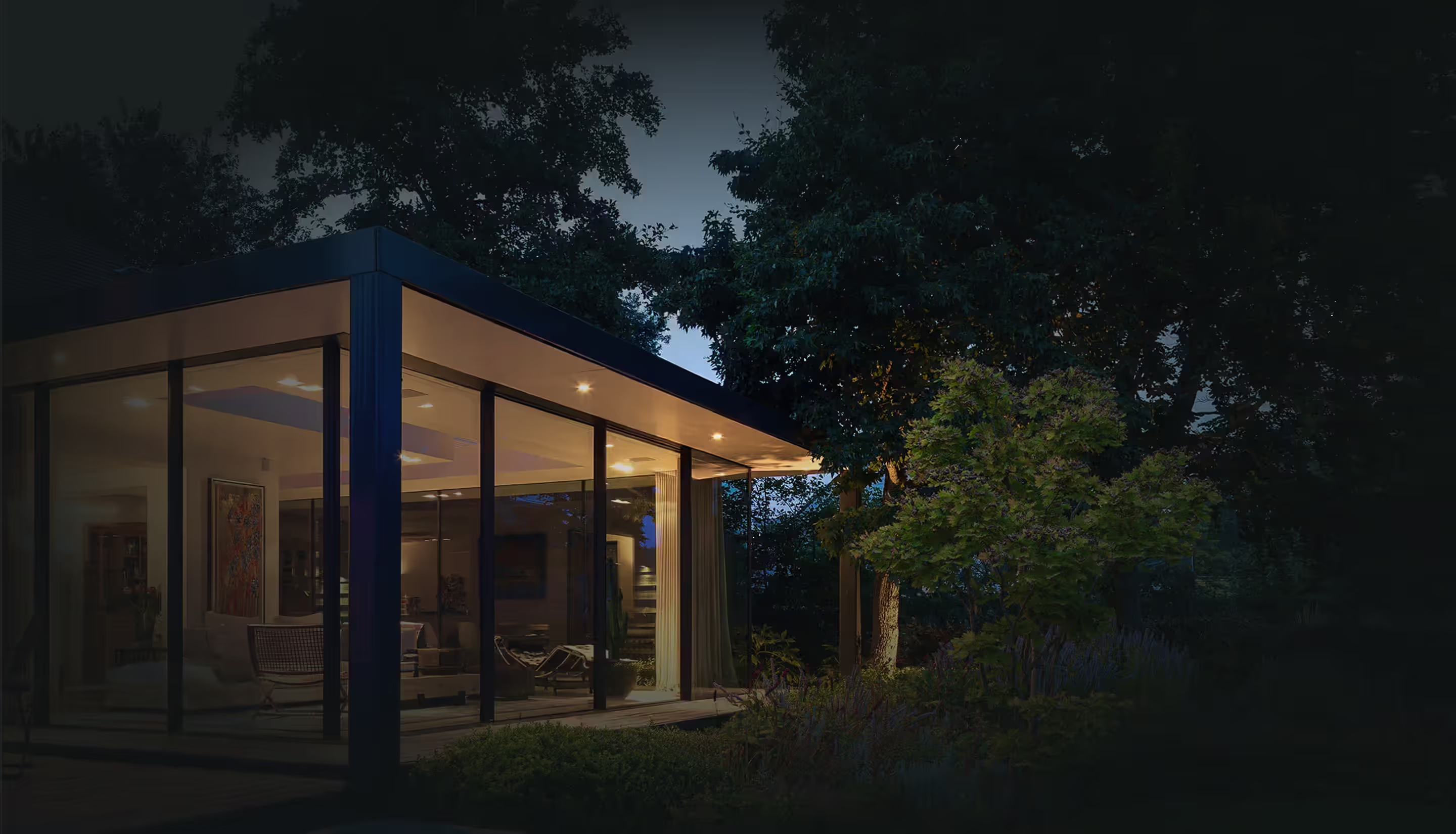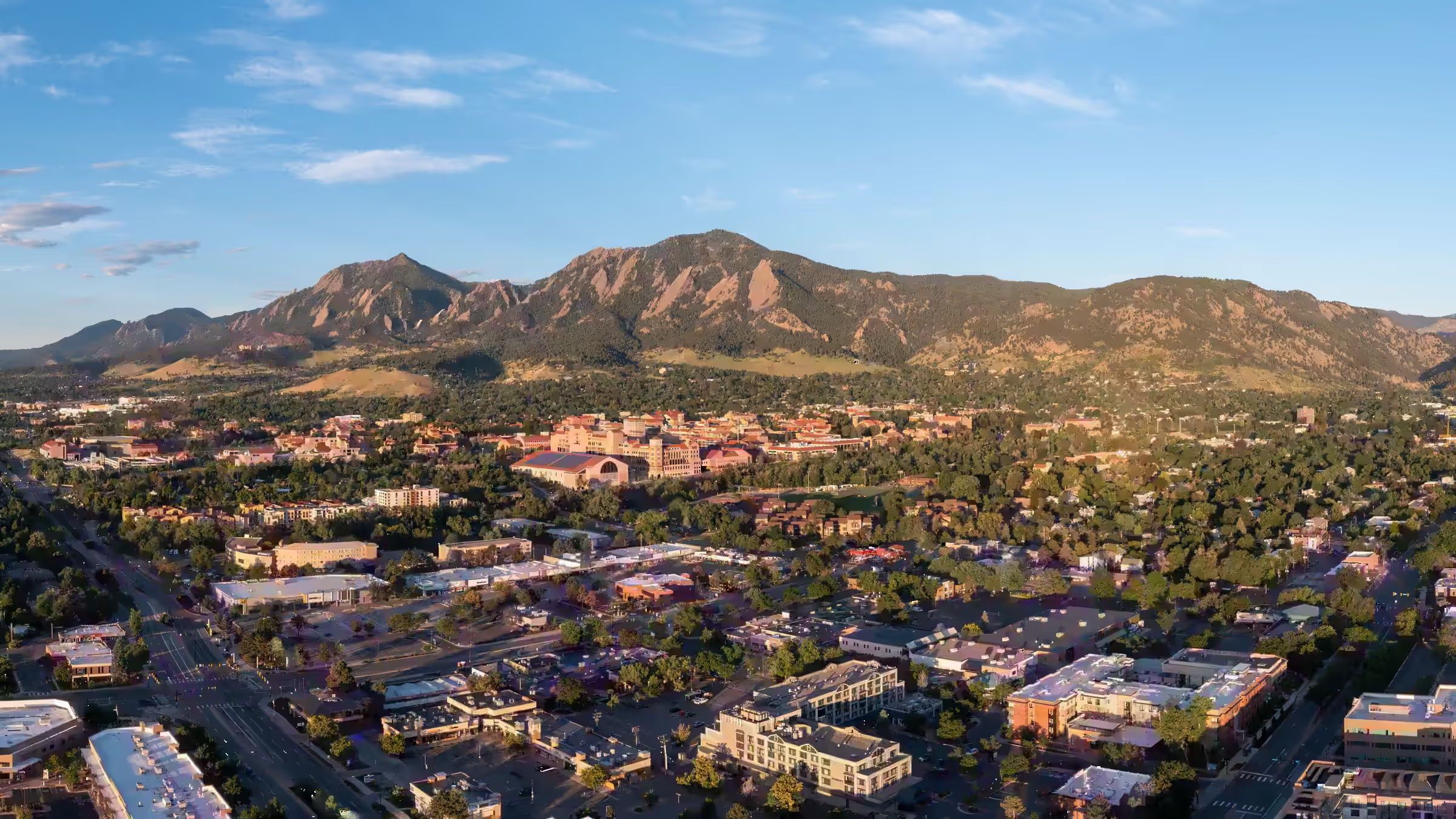
What kind of homes are here?
Historic blocks, established residential neighborhoods, modern infill, townhomes, condominiums, foothill-edge homes, and larger residences, all within one city. Attached housing can provide access to Boulder with fewer direct exterior-maintenance responsibilities, while homes near the foothills can offer privacy, elevation, views, and immediate outdoor access.
What makes this market different?
Boulder is a property-specific market: two homes separated by a short walk may differ in floodplain designation, historic status, zoning, addition potential, sewer condition, and association obligations. A neighborhood name can help organize a search, but the final decision should be based on the actual parcel and intended use.
What should a buyer verify?
Floodplain designation, historic status, permit history, sewer condition, zoning and intended use, association documents, and what is planned on adjoining land. A property outside a mapped flood zone may still experience drainage, groundwater, or localized flooding.
Who governs the property?
Property inside city limits is governed by the City of Boulder, which administers its own zoning, permitting, floodplain regulation, and historic review. Some properties with Boulder mailing addresses are in unincorporated Boulder County, so confirm jurisdiction before relying on city utilities, zoning, or permitting.
Where are the current listings?
Active listings with a Boulder mailing city appear further down this page, drawn from the same feed as the main search. Jacob can also create a property-specific search and acquisition strategy covering public listings and relevant professional channels.
The setting is only part of the purchase
The city's physical setting is only part of the purchase. Floodplain, historic designation, zoning, permits, property condition, development potential, traffic, parking, insurance, and the relationship between the home and surrounding land can materially affect value and use.
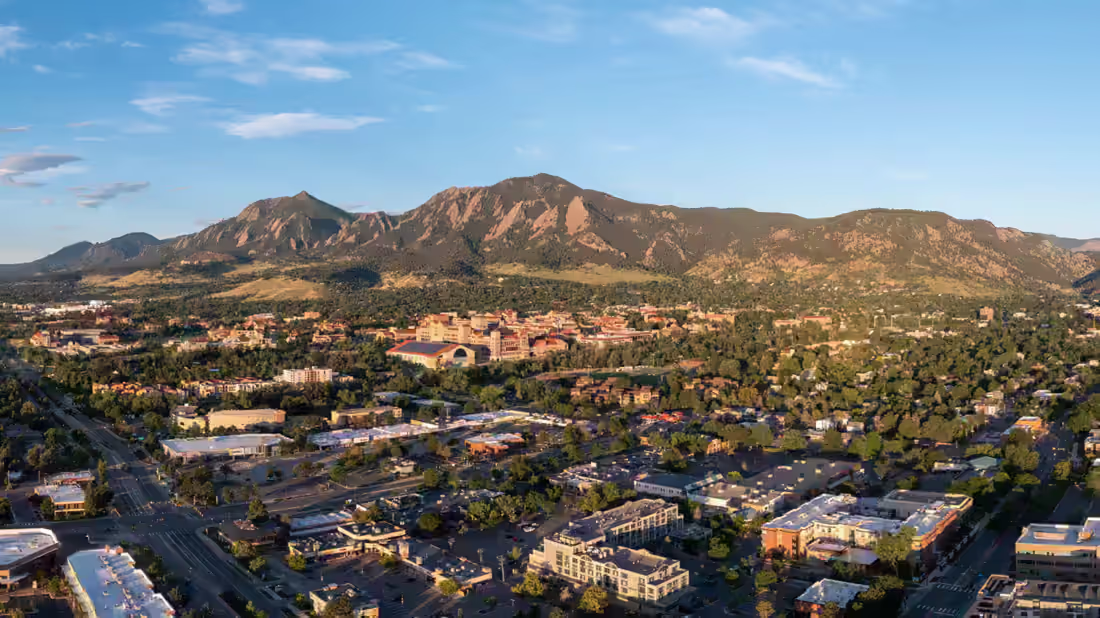
Where two nearby Boulder homes diverge
Boulder is a property-specific market, and two homes separated by a short walk may differ in every line below. A neighborhood name can help organize a search, but the final decision should be based on the actual parcel and intended use.
What is regulated
05- Floodplain designation
- Historic status
- Zoning
- Addition potential
- Association obligations
The parcel and the building
04- Lot configuration
- Sewer condition
- Renovation history
- Parking
What surrounds it
04- View exposure
- Traffic
- Open-space access
- Property insurance
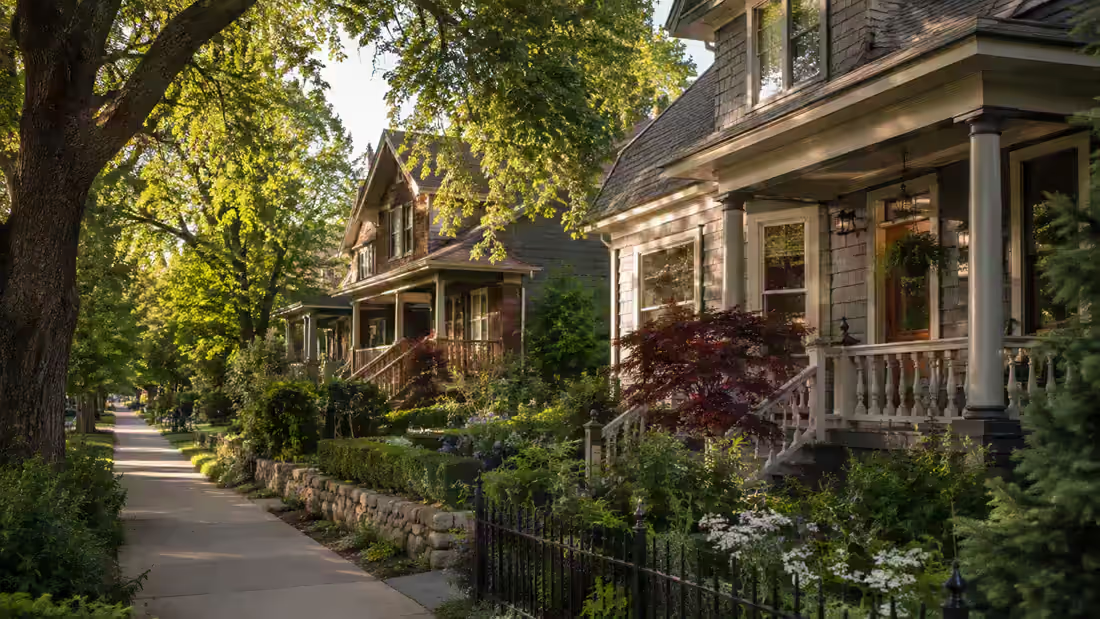
Six settings inside one city
What each setting is, and what to investigate about a specific property in it. A neighborhood name organizes a search; the verify run is what closes it.
Central Boulder and historic residential areas
Central Boulder includes older homes, historic structures, attached residences, remodeled properties, and locations close to commercial districts and civic destinations. The City of Boulder requires exterior work on individual landmarks and on properties within a historic district to be reviewed through its Landmark Alteration Certificate process.
Verify
- Historic designation
- Demolition review
- Permit history
- Additions
- Basement condition
- Sewer line
- Parking
- Lot boundaries
- Floodplain
- Tree conditions
- Renovation feasibility
North Boulder
North Boulder includes established homes, newer infill, and attached housing. Individual properties vary in their relationship to Broadway, community commercial areas, trails, and the foothill edge.
Verify
- Age and quality of construction
- Infill context
- Solar exposure
- Traffic and access
- HOA obligations
- Lot and floor-area limitations
- Drainage
- Future nearby development
South Boulder
South Boulder includes established neighborhoods, foothill views, and attached housing. It also includes properties with convenient connections toward US 36 and regional employment areas.
Verify
- Flood and drainage
- Foothill wildfire conditions
- Road noise
- Renovation history
- Sewer condition
- Foundation and soils
- Trail or open-space access
- Development on nearby parcels
East Boulder
East Boulder includes detached homes, townhomes, condominiums, and access to employment areas. It also includes properties near creek corridors, trails, and transportation routes.
Verify
- Flood mapping
- Association finances
- Parking and storage
- Future development
- Road and bicycle connections
- Property-use restrictions
- Exterior-maintenance responsibility
Foothill-edge and larger Boulder homes
Homes near the foothills can offer privacy, elevation, views, and immediate outdoor access. Boulder County's wildfire resources emphasize home hardening, defensible space, vegetation management, and ongoing property maintenance. Those measures can reduce risk but do not eliminate it or guarantee insurance.
Verify
- Wildfire
- Insurance
- Driveway access
- Drainage
- Rockfall or slope
- Retaining walls
- Emergency access
- Snow and ice
- Renovation constraints
- View protection
- Nearby open-space boundaries
Boulder condominiums and townhomes
Attached housing can provide access to Boulder with fewer direct exterior-maintenance responsibilities. The condition of the unit is only one part of the purchase.
Verify
- Budget
- Reserves
- Insurance
- Deductibles
- Assessments
- Litigation
- Roof and exterior responsibility
- Parking
- Storage
- Rental restrictions
- Pet rules
- Planned capital work
- Loan eligibility
Open space and outdoor access
The City of Boulder reports more than 46,000 acres of protected open space and approximately 155 miles of maintained trails.
Open-space proximity can be a meaningful property feature, but a view across undeveloped land should not be represented as permanent until ownership and development restrictions are verified.
Eight things a green edge can be
Before an adjoining green edge is treated as protected, establish which of these it actually is.
Land held or restricted
03- Public open space
- Conservation easements
- Agricultural leases
Ways across the ground
03- Public trails
- Informal paths
- Utility corridors
Land that can still change
02- Private vacant land
- Land with retained development rights
Zoning and renovation potential
The City of Boulder states that its zoning districts regulate permitted uses, density, building form, and other development standards.
Before assigning value to an addition, accessory dwelling, garage conversion, redevelopment concept, or second unit, confirm the property against the current adopted code rather than against what is standing nearby.
Confirm before pricing in a project
Fourteen items decide whether a renovation concept is worth anything on this parcel. Each is property-specific.
The district and the code
03- Zoning district
- Current adopted code
- Existing nonconformities
The building envelope
06- Lot dimensions
- Existing floor area
- Setbacks
- Height
- Lot coverage
- Parking
Rules from outside the zoning district
05- Historic status
- Floodplain
- Solar or design requirements
- Association restrictions
- Utility capacity
Historic homes and districts
Historic designation can preserve architectural character while affecting future exterior work. The City of Boulder requires review and approval for exterior changes to individual landmarks and to properties within historic districts.
Work involving roofing, additions, windows, exterior materials, fencing, solar installations, hardscaping, mechanical equipment, or mature trees may require historic review.
The historic file to collect
Before purchasing or selling a historic property, collect the following.
Designation and approvals
04- Designation information
- Prior approvals
- Landmark Alteration Certificates
- Tax-credit or preservation agreements
The record of work done
04- Plans
- Restoration records
- Contractor information
- Documentation of exterior work
Boulder floodplain and drainage
The city's floodplain system includes Boulder Creek and numerous tributary corridors. The City of Boulder maintains distinct regulatory flood zones and property-specific mapping, and publishes a floodplain development permit application guide.
A property outside a mapped flood zone may still experience drainage, groundwater, or localized flooding.
What buyers and sellers should investigate
Twelve items, and the first three of them determine how the other nine are read.
Where the parcel sits on the map
03- Regulatory flood zone
- High-hazard or conveyance-zone status
- Elevation certificate
What the building has already done about water
05- Prior flooding
- Drainage
- Basement history
- Sump pumps
- Foundation drains
What the mapping costs and limits
04- Flood insurance
- Renovation restrictions
- Substantial-improvement rules
- Nearby creek-restoration or infrastructure work
Verify school assignment by address
Most Boulder addresses are served by Boulder Valley School District, but exact assignment should be verified using the district's official address tool. Real estate listings and third-party websites should not be treated as final boundary authorities.
Transit and travel time
Boulder is served by local and regional transit routes connecting the city with nearby communities and the US 36 corridor. Service, stops, frequency, and travel time should be checked using current RTD information and tested against the buyer's actual schedule.
Twelve things to establish before you offer
Confirm each of these for the specific parcel, not for the neighborhood the parcel sits in.
Value and regulation
04- Property-specific market value
- Floodplain
- Historic status
- Zoning and intended use
Condition and records
04- Permit history
- Sewer condition
- Roof and insurance
- Foundation and drainage
Beyond the lot line
04- Association documents
- View and adjoining land
- Transportation and parking
- Future nearby development
The rest of the purchase
The twelve items above are Boulder's version of a longer process that runs from the first planning conversation through closing and possession.
What a Boulder listing has to explain
A strong Boulder listing should explain more than location and finishes. The preparation and marketing plan may need each of these.
Records that answer the buyer's questions
05- Permit and improvement records
- Historic approvals
- Flood information
- Sewer records
- Roof and insurance information
How the property is presented
05- Accurate measurements
- Architectural photography
- Floor plan
- Open-space and trail context
- Renovation narrative
How it is priced and positioned
03- Property-specific valuation
- Current competing inventory
- A clear explanation of development potential without guarantees
Boulder homes for sale
Active residential listings with a Boulder mailing city. A mailing city is not a jurisdiction, so confirm the governing authority for any address before relying on city utilities, zoning, or permitting.
No Boulder listings are in the current feed. Jacob can organize a property-specific search and reach relevant professional channels directly.
Listing data from REcolorado - Metrolist MLS. Listings courtesy of Berkshire Hathaway HomeServices Colorado Real Estate, LLC – Erie. Properties are matched to this page by mailing city, which does not establish the governing county or jurisdiction for a given parcel. Verify both for any property you intend to pursue.