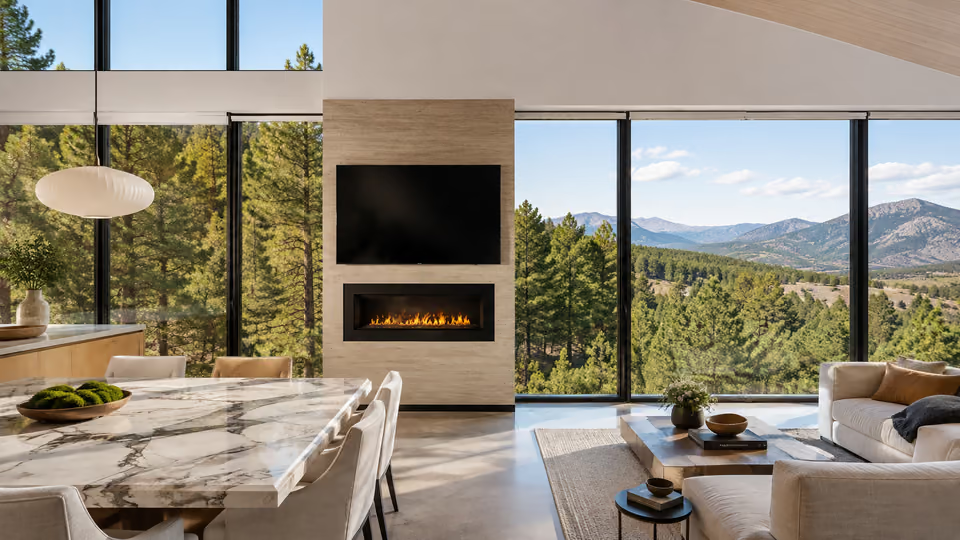
A luxury property is not defined by price alone
It may be distinguished by architecture, land, location, privacy, views, construction quality, historical significance, custom systems, guest accommodations, equestrian facilities, aviation access, or a combination of features that cannot be compared easily with ordinary housing inventory.
These differences create opportunity, but they also create complexity. A custom residence may contain specialized mechanical systems that require substantial replacement planning. A foothill estate may combine exceptional views with wildfire, access, water, insurance, and geologic questions. A historic home may offer irreplaceable character while limiting exterior changes.
An acreage property may include outbuildings, water interests, conservation restrictions, or private infrastructure. A newly built residence may have advanced systems but still require independent inspection, commissioning, and contract review. Jacob Baer provides discreet, analytical representation for buyers who need the property, transaction, and long-term ownership plan evaluated together.
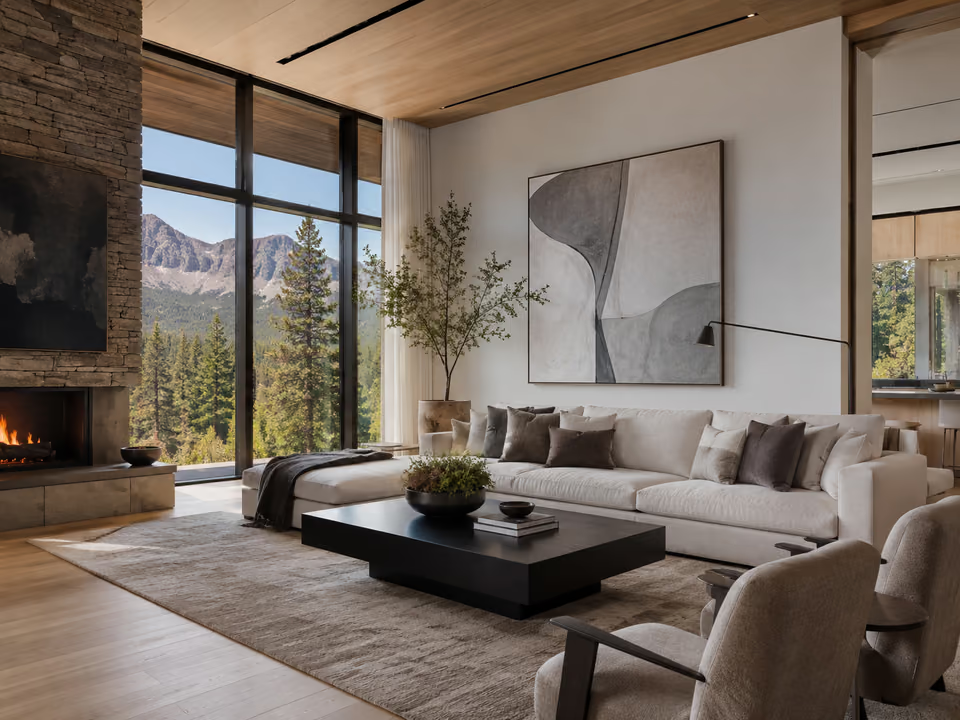
Luxury is personal
The first step is not deciding how many square feet qualify as luxury. The first step is identifying which scarce qualities matter to the buyer.
Scarce qualities a buyer may be shopping for
Priorities differ by household. The point of writing them down is to make the trade-offs visible before a search begins, not to rank one list against another.
Setting and character
08- Architectural significance
- Historic character
- New construction
- Flatiron or mountain views
- Privacy
- Land
- Walkability
- Proximity to Boulder, Denver, or an airport
How the household lives in it
09- Multigenerational layout
- Guest residence
- Staff accommodations
- Home office
- Entertaining
- Wellness space
- Pool
- Sports court
- Security
What the property has to hold
08- Car collection
- Aircraft hangar
- Workshop
- Equestrian use
- Art display and storage
- Wine storage
- Expansion potential
- Low-maintenance ownership
A private consultation establishes the acquisition profile
The conversation covers the mission for the property, the requirements the property has to satisfy, the financial structure behind the purchase, and the risks the buyer is prepared to carry.
The resulting profile should be detailed enough to eliminate attractive but unsuitable properties.
The acquisition profile
Residential mission
07- Primary residence
- Second residence
- Family or multigenerational use
- Corporate relocation
- Seasonal use
- Long-term estate planning
- Future resale horizon
Property requirements
16- Location
- Architecture
- Privacy
- Views
- Land
- Layout
- Bedroom suites
- Guest accommodations
- Office
- Wellness
- Garage
- Hangar
- Outdoor spaces
- Accessibility
- Security
- Smart-home systems
Financial structure
09- Cash
- Financing
- Asset-based lending
- Sale of another property
- Ownership entity
- Proof-of-funds privacy
- Desired reserves
- Renovation capital
- Tax and legal advisers
Risk profile
10- Renovation tolerance
- Historic restrictions
- Wildfire
- Flood
- Private roads
- Well and septic
- Complex systems
- Association governance
- Long-distance ownership
- Staffing and maintenance
Confidentiality, discretion, and proof of capacity
Luxury buyers may need greater control over personal and financial information, and the transaction plan can be built around that need.
Luxury sellers commonly want evidence that a buyer can perform. The buyer should be prepared to provide an appropriately limited form of that evidence. Documents should disclose only what is reasonably necessary, and account numbers and unrelated financial details should be redacted.
How information is handled
Identity and documents
05- Limited disclosure of identity where legally permissible
- Secure handling of proof of funds
- Secure document delivery
- Limited distribution of personal schedules
- Thoughtful handling of public records and entity ownership
Access and advisers
05- Carefully controlled property access
- Protection of gate, alarm, and building-system information
- Confidentiality agreements when appropriate
- Use of trusted financial contacts
- Coordination with attorneys, business managers, security advisers, or family offices
Evidence of capacity
06- Lender preapproval
- Banker letter
- Proof of funds
- Asset verification
- Evidence of liquidity
- Contact information for a trusted financial professional
Financing and the purchasing party
Financing should be planned around the property type. A custom estate, acreage property, unusual residence, mixed-use improvement, guest-home configuration, private road, or large outbuilding may not fit every lender's underwriting or appraisal model.
Some luxury buyers consider trusts, limited-liability companies, or other entities. The choice may affect privacy, financing, insurance, tax, estate planning, liability, homestead rights, title, closing documentation, and future transfer. Jacob can coordinate with the buyer's advisers but should not select or recommend an ownership structure as legal or tax advice.
Establish the purchasing party early enough to prevent last-minute lender, title, or contract problems.
On-market and private opportunities
The public market remains an important source of luxury properties. Some of the strongest opportunities are marketed openly and provide buyers with complete media, documents, and reasonable access.
A broader search may also monitor inventory that never reaches a public portal. No broker can responsibly promise access to every private property.
Where luxury inventory comes from, and what private access costs
An off-market opportunity is not automatically a better opportunity. The second group is what access to the first may cost a buyer.
Channels a broader search monitors
10- Coming-soon inventory where permitted
- Brokerage networks
- Properties removed from the market
- Expired listings
- Prior luxury listings
- New construction
- Builder inventory
- Relevant land
- Owners who indicate a lawful willingness to consider a sale
- Private opportunities shared through professional relationships
What an off-market opportunity may involve
08- Limited information
- Reduced inspection access
- Less pricing transparency
- Seller-imposed confidentiality
- Compressed timing
- Unusual contract terms
- Pressure to accept a premium
- Limited appraisal support
One standard for both
Jacob evaluates private and public opportunities by the same standard: property fit, verifiable facts, defensible value, acceptable risk, and workable transaction terms.
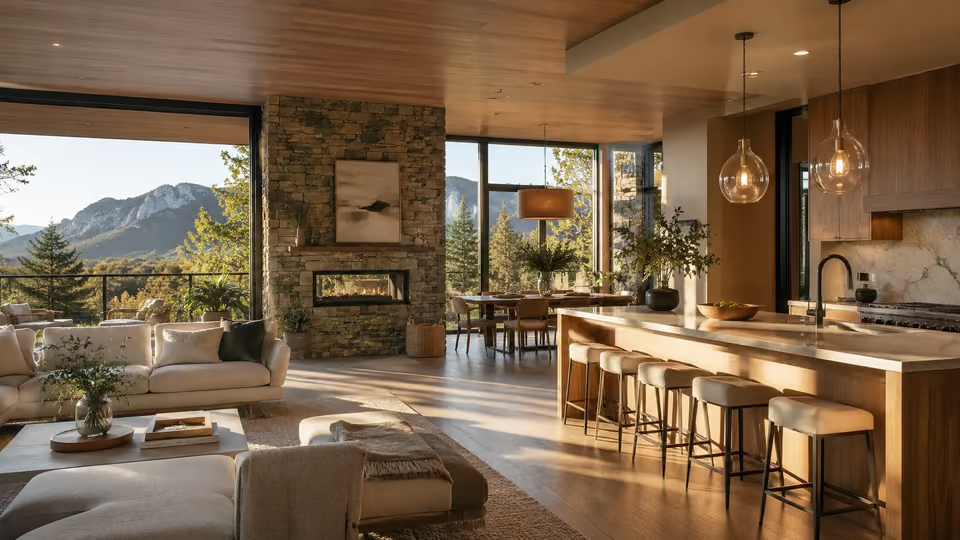
Luxury valuation is more than an average price per square foot
Comparable sales may be limited, dated, privately recorded, or materially different, so the analysis has to reason from the property outward rather than from a market average inward.
What a valuation analysis may consider
Land and position
06- Micro-location
- Views
- Privacy
- Lot usability
- Road and access
- Historic status
The building itself
11- Architecture
- Designer or architect
- Builder
- Construction quality
- Age
- Renovation
- Interior materials
- Ceiling heights
- Windows
- Natural light
- Floor plan
Improvements beyond the house
07- Guest structures
- Garage capacity
- Hangar
- Pool
- Landscaping
- Water features
- Outdoor living
What the market will do with it
07- Expansion potential
- Operating cost
- Insurance
- Property condition
- Current competition
- Replacement difficulty
- Resale audience
A luxury offer is a complete acquisition proposal
The offer has to balance money, conditions, contents, and the transition of everything the property runs on. A highly competitive offer should still be understandable.
What the offer has to balance
The first three groups are terms to negotiate. The fourth is the set of numbers and limits the buyer should settle privately before any of them are sent.
Money and proof
05- Price
- Proof of funds
- Financing
- Appraisal
- Entity approval
Conditions and review
06- Inspection
- Due diligence
- Title
- Attorney review
- Confidentiality
- Closing
Contents and handover
10- Possession
- Seller occupancy
- Personal property
- Furnishings
- Art
- Wine
- Equipment
- Vehicles
- Staff transition
- Security transition
Limits the buyer fixes in advance
08- Maximum price
- Maximum appraisal exposure
- Maximum immediate repair exposure
- Required post-closing liquidity
- Which conditions are unacceptable
- Which documents must be reviewed
- Which systems require specialists
- Which decisions require attorney or tax-adviser input
Builder and developer contracts
Custom and semi-custom construction moves the buyer into a second set of agreements, most of them prepared by the other side.
When a principal such as a builder requires its own purchase contract, Colorado law requires the broker to advise the buyer to obtain legal advice from a licensed attorney before entering that contract.
Jacob coordinates the real estate elements but does not replace construction counsel, architects, engineers, inspectors, or cost consultants.
Documents in a construction purchase
Agreements to read
06- Builder-created purchase contract
- Land acquisition
- Construction contract
- Architecture agreement
- Title
- Insurance
Cost, schedule, and change
06- Allowances
- Escalation
- Change orders
- Completion dates
- Force-majeure provisions
- Draw schedule
Warranty and outside approvals
05- Warranty
- Dispute process
- Lender requirements
- Design review
- Municipal approvals
Custom construction needs specialized evaluation
Custom homes may use assemblies, materials, and details that require specialized evaluation, and large or customized homes may contain multiple systems serving different zones.
A general inspection may need to be supplemented by an architect, structural engineer, building-envelope consultant, roofer, or other specialist.
Structure, systems, and controls to review
Structure and building envelope
19- Foundation
- Structural framing
- Retaining walls
- Roof
- Waterproofing
- Drainage
- Exterior cladding
- Windows
- Doors
- Balconies
- Decks
- Flat roofs
- Skylights
- Below-grade spaces
- Snow-load considerations
- Prior movement
- Prior water intrusion
- Remodel integration
- Deferred maintenance
Mechanical
18- Boilers
- Furnaces
- Radiant heat
- Chillers
- Air conditioning
- Heat pumps
- Geothermal
- Humidification
- Ventilation
- Snowmelt
- Domestic hot water
- Pumps
- Control systems
- Mechanical rooms
- Redundancy
- Service history
- Remaining useful life
- Availability of parts and contractors
Electrical, generator, solar, and battery
15- Main electrical service
- Subpanels
- Load capacity
- Generator
- Transfer switch
- Solar ownership
- Battery storage
- Electric-vehicle charging
- Exterior power
- Lighting control
- Surge protection
- Backup systems
- Permits
- Service history
- Monitoring accounts
Smart home, security, and communications
24- Manufacturer
- Installer
- Age
- Wiring
- Programming
- Licenses
- Subscriptions
- Cloud accounts
- Cameras
- Alarm
- Access control
- Gate
- Lighting
- Shades
- Audio
- Theater
- HVAC integration
- Irrigation
- Pool controls
- Remote access
- Administrator credentials
- Privacy
- Service contracts
- Replacement plan
Judge the system, not the components
The system should be evaluated as a whole. A collection of functioning components can still be inefficient, poorly integrated, obsolete, or expensive to maintain.
A sophisticated smart-home system can be valuable when it is supported. It can become a liability when it is proprietary, undocumented, obsolete, or controlled through a prior owner's account.
New construction is not exempt
New construction should not be assumed to be free from defects. Municipal inspection establishes code-related review. It is not a substitute for an independent inspection performed for the buyer.
Independent inspections on a new build
Depending on the project, consider scheduling each of these for the buyer.
Structure, envelope, and systems
06- Pre-drywall inspection
- Foundation or structural review
- Building-envelope review
- Mechanical commissioning
- Electrical review
- Roof inspection
Completion and warranty
04- Sewer scope
- Final inspection
- Punch-list inspection
- Warranty inspection before expiration
Evaluate the space by its actual function
For vehicle, art, wine, equipment, or aircraft collections, the question is what the space can actually do, not how large it is.
A structure marketed as a guest house may be approved only as an office, studio, or accessory building. Indoor pools and wellness spaces also deserve careful humidity and building-envelope evaluation.
Amenity spaces and outbuildings
Pools, spas, saunas, and wellness
17- Structure
- Surface
- Equipment
- Heating
- Covers
- Safety
- Ventilation
- Moisture
- Drainage
- Electrical
- Chemical storage
- Automation
- Energy use
- Winterization
- Service history
- Permits
- Insurance
Guest houses, accessory dwellings, and staff quarters
13- Legal use
- Permits
- Certificate of occupancy
- Kitchen approval
- Bedroom count
- Septic capacity
- Utility metering
- Addressing
- Rental restrictions
- HOA restrictions
- Historic restrictions
- Fire separation
- Insurance
Garages, workshops, and hangars
15- Door dimensions
- Ceiling height
- Turning radius
- Vehicle lifts
- Floor loads
- Drainage
- Heating
- Ventilation
- Electrical service
- Fire suppression
- Security
- Humidity
- Storage systems
- Backup power
- Permitted use
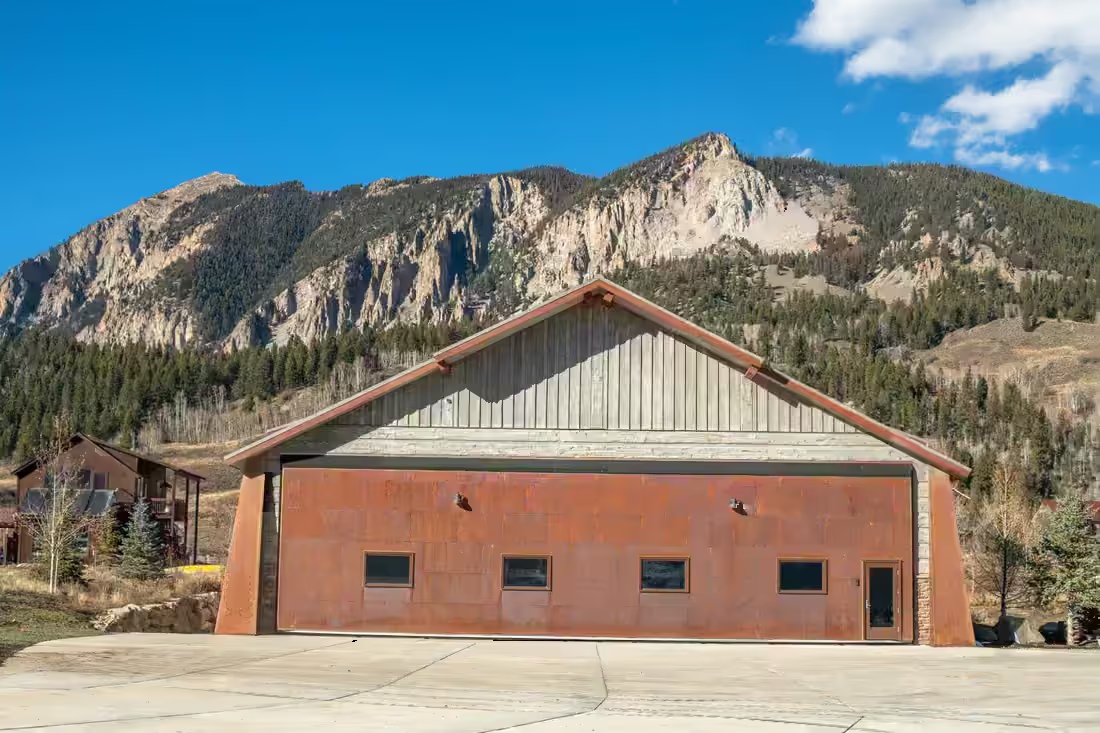
Aviation and fly-in estates
An aviation property requires additional review of aircraft access, airport agreements, runway conditions, and hangar geometry. Jacob's aviation background supports dedicated due diligence for hangar homes, airpark properties, and private runway estates.
Collections, conveyance, and vertical transport
Wine and art storage
11- Temperature
- Humidity
- Light
- Backup power
- Alarm
- Leak detection
- Fire protection
- Equipment age
- Monitoring
- Security
- Insurance requirements
Elevators and accessibility systems
10- Manufacturer
- Permit
- Inspection status
- Maintenance contract
- Service history
- Emergency operation
- Telephone or communication
- Parts availability
- Code issues
- Transfer of service agreements
What the real estate inspection does not cover
The real estate inspection does not value or insure the collection itself.
Also consider whether the property's overall layout supports long-term accessibility rather than relying on one mechanical system.
A large residence leans hard on private infrastructure
Luxury landscapes can create significant recurring costs, and a large residence can place substantial demands on wells, septic systems, and private roads.
Boulder County notes that water rights and ditch shares can require separate conveyance and specialized legal research.
Acreage does not automatically create unrestricted equestrian, agricultural, or development rights.
Land, water, and access to evaluate
Landscaping, irrigation, and outdoor improvements
21- Irrigation
- Water source
- Ditches
- Ponds
- Pumps
- Retaining walls
- Drainage
- Lighting
- Mature trees
- Tree health
- Turf
- Snowmelt
- Fencing
- Gates
- Exterior audio
- Outdoor kitchens
- Fire features
- Sports courts
- Pools
- Water features
- Service contracts
Wells, septic systems, and water rights
16- Well permit
- Allowed uses
- Production
- Storage
- Treatment
- Irrigation
- Guest structures
- Pool filling
- Landscape demand
- Septic design
- Approved bedroom count
- System capacity
- Replacement area
- Water rights
- Ditch shares
- Transfer documents
Acreage, equestrian, and agricultural improvements
19- Zoning
- Animal allowances
- Barn permits
- Arena permits
- Fencing
- Pastures
- Irrigation
- Water rights
- Manure management
- Access
- Trailer circulation
- Fire access
- Outbuilding use
- Conservation restrictions
- Agricultural leases
- Weed obligations
- Tax classification
- Soils
- Drainage
Private roads and access
17- Recorded legal access
- Physical access
- Road agreement
- Maintenance
- Snow removal
- Bridges
- Gates
- Culverts
- Drainage
- Cost allocation
- Emergency access
- Lender acceptance
- Insurer acceptance
- Future improvements
- Disputes
- Shared driveways
- Alternative egress
Ask for the history, not the impression
Ask for historical maintenance and utility information when available.
A private road that looks well maintained today may still lack a durable mechanism for future funding.
Recurring costs to estimate before purchasing
Before purchasing, estimate the full operating structure rather than the mortgage payment alone.
Systems, structures, and reserves
11- Insurance
- Mechanical maintenance
- Generator
- Elevator
- Smart-home support
- Pool
- Well and septic
- Gate
- Private road
- Seasonal preparation
- Reserve for major systems
Grounds, staffing, and fixed charges
11- Property taxes
- Association
- Landscape
- Tree care
- Snow removal
- Housekeeping
- Window cleaning
- Pest control
- Security
- Caretaking
- Property management
Historic designation protects character and limits change
Historic designation can protect architectural character while affecting future changes.
The City of Boulder states that exterior changes to landmarks and to properties inside historic districts generally require a Landmark Alteration Certificate. The requirement can apply to newer buildings located within a historic district, and it can cover work such as roofing, painting, additions, fences, solar installations, hardscaping, and mature-tree removal.
Do not value expansion potential until it is investigated
Boulder County states that, within unincorporated Boulder County, transferable development credits are generally required for approved residences with floor areas greater than 6,000 square feet, subject to current code, exemptions, and property-specific requirements.
Within incorporated municipalities, different floor-area, lot-coverage, height, historic, energy-code, and review requirements may apply.
Approvals and feasibility
The first group applies before a historic renovation. The rest is what a feasibility review may need to address anywhere in the county.
Before a historic renovation
08- Historic designation
- District guidelines
- Demolition review
- Zoning
- Building code
- Existing nonconformities
- Tax-credit or preservation agreements
- Conservation easements
What the zoning allows
08- Jurisdiction
- Zoning
- Floor area
- Lot coverage
- Height
- Setbacks
- Building envelope
- Development credits
Which reviews apply
07- Historic review
- Demolition
- Design review
- HOA
- Conservation easement
- Tree protection
- Solar access
What the site can carry
07- Floodplain
- Wildfire code
- Geology
- Septic
- Well
- Utilities
- Access
Wildfire, flood, geology, and insurance
Many luxury properties derive value from settings that also require more technical review.
Boulder County warns that properties outside mapped regulatory floodplains may still experience flooding, and it publishes approximate geologic-hazard mapping that may require site-specific study.
Insurance should be investigated before the contractual deadline, not after inspection and appraisal costs have already been incurred.
What the setting adds to the review
A foothill site
10- Wildfire
- Defensible space
- Steep access
- Rockfall
- Landslide
- Drainage
- Retaining walls
- Private water
- Emergency response
- Insurance
A creek or low-lying site
07- FEMA mapping
- Local flood mapping
- Elevation
- Flood insurance
- Prior water intrusion
- Substantial-improvement rules
- Renovation limitations
The luxury acquisition process with Jacob
Private consultation
Define the property, mission, timing, financial readiness, privacy needs, and decision process.
Acquisition profile
Create written criteria that distinguish requirements from preferences.
Market mapping
Identify compatible neighborhoods, property types, current listings, prior opportunities, new construction, and potential private-market avenues.
Property screening
Review available records, valuation context, systems, land, risk, and missing information before committing substantial time.
Private touring
Coordinate access, confidentiality, advisers, and decision-makers.
Valuation and offer strategy
Analyze the property as a residence, land asset, collection of improvements, and future resale opportunity.
Property-specific due diligence
Build the professional team around the actual structure, systems, land, and intended use.
Transaction management
Coordinate contract, title, lender, appraisal, insurance, inspections, legal review, and communication.
Pre-closing transition
Plan systems, security, vendors, service contracts, furnishings, possession, and immediate work.
Closing and ownership handoff
Confirm documentation, credentials, keys, codes, contacts, warranties, records, and possession.
Boulder County luxury homes for sale
Active luxury and estate listings within the defined Boulder County market, drawn from the same feed as the main listings page.
Nothing in the current feed matches this description today. Some luxury inventory is never published at all, so an empty panel is not evidence of an empty market. Ask directly.
Listing data from REcolorado - Metrolist MLS. Listings courtesy of Berkshire Hathaway HomeServices Colorado Real Estate, LLC – Erie. Properties are matched to this page by mailing city, which does not establish the governing county or jurisdiction for a given parcel. Verify both for any property you intend to pursue.
Questions luxury buyers ask
Begin a private luxury home search
A luxury purchase should feel considered, confidential, and organized. Jacob can help you map the market, evaluate public and private opportunities, analyze value, structure the offer, organize property-specific specialists, and manage the transaction from initial search through closing.