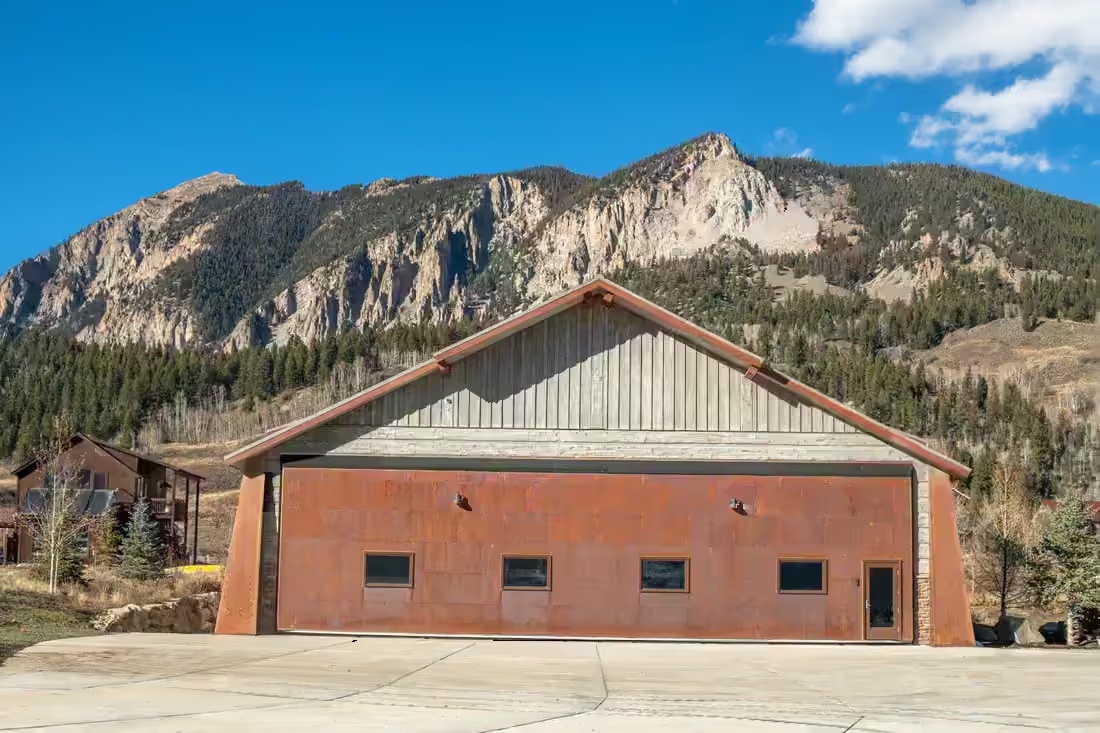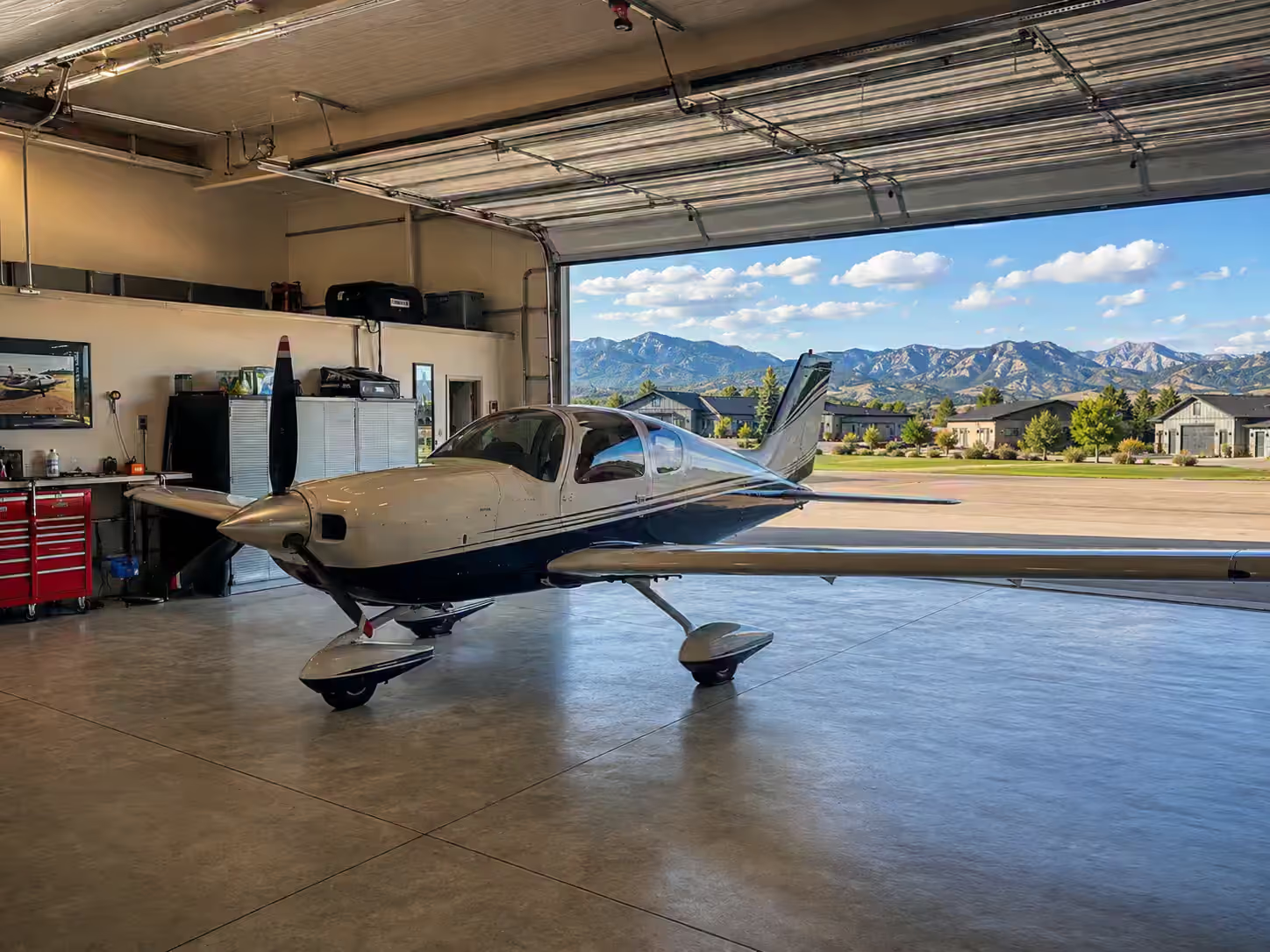
Confirm which airport you are buying into
Begin with the identity and legal status of the airport. Do not rely on the community name, the subdivision name, the listing description, or a runway visible in an aerial photograph.
A private airpark may have broad authority to limit use, visitors, hours and access. A public-use airport may carry federal obligations concerning reasonable and nondiscriminatory access, but those obligations do not automatically entitle an adjacent homeowner to enter from private residential property.
Establish
Identity
05- Official airport name
- FAA identifier, where applicable
- Airport owner and sponsor
- Public-use or private-use status
- Federally obligated or unobligated
Control
07- Who controls airport access
- Who maintains the runway
- Who sets operating rules
- Whether prior permission is required
- Whether the runway is part of the association
- Whether residents own shares or membership interests
- Whether the airport can be sold separately from the neighbourhood

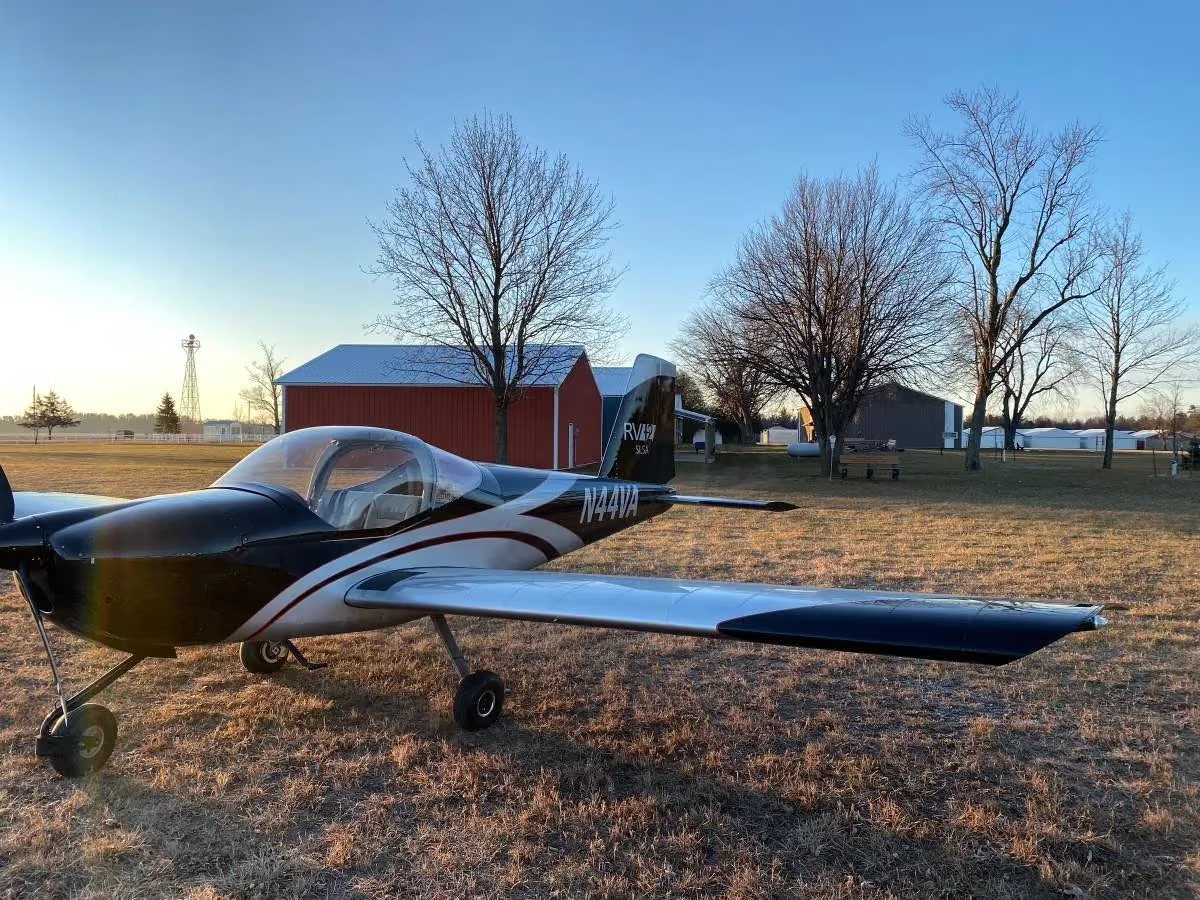

Prove the legal right to reach the runway
“Direct runway access” is a claim that requires documentation. Identify the complete legal route from hangar to airport operating area. It may cross the buyer's lot, association land, another owner's property, a common easement, a gate, municipal land, or airport property.
Read the documents together. A taxi easement that reaches the airport boundary may not, by itself, grant permission to enter the airport; a separate agreement may govern that final connection. A verbal assurance from a seller, neighbour or listing agent does not replace document review.
Request
Title
04- Current deed
- Title commitment and complete exceptions
- Recorded plats
- Survey or improvement location certificate
Access instruments
07- Taxi and access easements
- Airport-access agreements
- Through-the-fence agreements
- Licences and membership documents
- Assignment documents
- Maintenance, gate and security agreements
- Amendments and any notices of default or termination
Questions for the title company and attorney
Nature of the right
05- Is the access right recorded?
- Is it appurtenant to the property?
- Does it transfer automatically to a buyer?
- Is additional consent required?
- Is it subordinate to another agreement or lien?
Durability
03- Is there an expiration date?
- Can it be terminated or suspended?
- What events constitute default, and is there a cure period?
Scope
04- Does the documented route match the route used on the ground?
- Are all required parcels and entities included?
- Are there gaps between the property and the airport?
- Are there limits on aircraft, guests, tenants, businesses or frequency of use?

Verify the airport fits the aircraft and mission
A runway should not be judged by one published length. The real estate question is not “is the runway long enough” but whether the airport reliably supports the aircraft, loading, schedule, experience and expected conditions within the margins required. That answer belongs to the pilot and appropriate aviation professionals, not the listing description.
Walk the entire aircraft route
The aircraft must travel from the hangar to the runway, not teleport between them. Walk the whole route and look for clear width, tight turns, fence lines, gate openings, mailboxes, landscaping, signs, utility boxes, drainage structures, ditches, road crossings, surface transitions, slopes, soft shoulders, snow-storage areas, wingtip and tail hazards, vehicle conflicts, and night visibility.
A route that works for a small single-engine aircraft may not work for something wider, longer, heavier or less manoeuvrable. Confirm who maintains each segment and who pays when repairs, widening, drainage, snow removal, resurfacing, gate replacement or lighting becomes necessary.
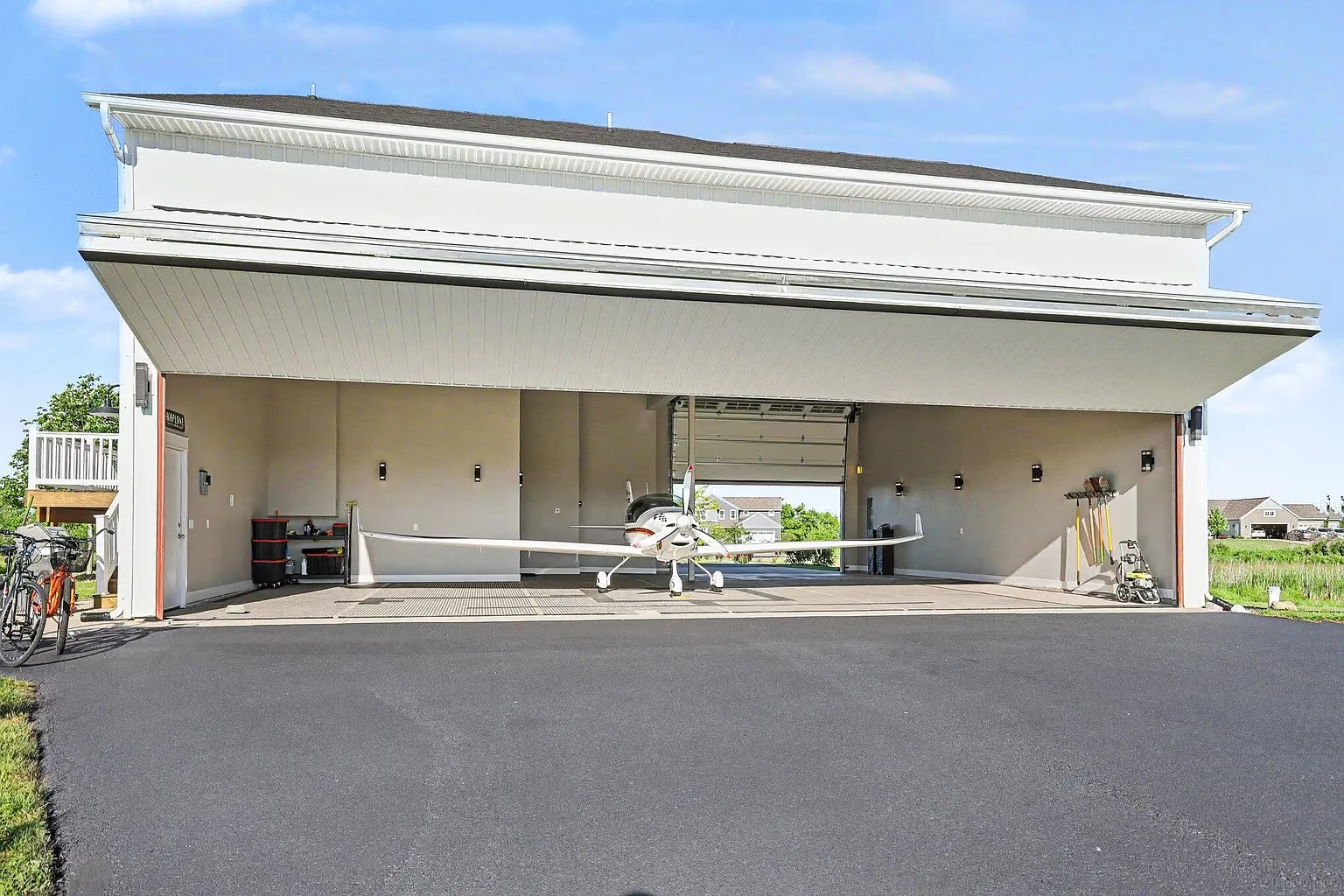
Measure and inspect the hangar
Do not rely on nominal dimensions. Verify independently.
Measure
08- Door clear-opening width and height
- Interior clear width and depth
- Lowest obstruction
- Tail, wingtip and propeller clearance
- Turning space
- Apron dimensions
- Distance to the taxi route
- Clearances along the complete path
Inspect
08- Foundation, slab, cracks and settlement
- Drainage, roof and exterior envelope
- Water intrusion and insulation
- Heating, ventilation and electrical capacity
- Lighting, plumbing and fire protection
- Hangar door, tracks, supports and emergency operation
- Structural alterations and permits
- Evidence of fuel, oil, chemical or battery contamination



Confirm zoning and permitted use
A hangar's existence does not prove that every intended activity is permitted. Confirm the jurisdiction, zoning, approved plans, permits and certificate of occupancy, then compare them with the intended use.
Do not begin with the intended activity and work backward toward a favourable interpretation. Obtain written, property-specific guidance from the appropriate authorities and advisers.
Ask specifically
Storage and operation
05- Is residential aircraft storage permitted?
- Is the hangar legally approved?
- Can multiple aircraft be stored?
- Can aircraft be parked outside?
- Can fuel be stored or dispensed?
Activity
05- Is a home occupation allowed?
- Is aircraft maintenance permitted, and is commercial maintenance prohibited?
- Can flight instruction be conducted?
- Can an aircraft be leased or rented from the property?
- Can employees or customers visit?
Structure and tenancy
05- Can the hangar include an office, be expanded, or take a taller door?
- Can a second hangar be built?
- Can the property be leased, and can a tenant use the airport?
- Are short-term rentals restricted?
- Do noise, lighting or operating-hour restrictions apply?
Review the organisation's finances, not only its rules
An aviation association may control both residential standards and critical transportation infrastructure for aircraft. Runways, taxiways, drainage, lighting, gates and signage are expensive, and low dues are not evidence of strong finances.
Financial capacity
Ask
11- What is the expected remaining life of the runway surface?
- Is a reserve study available?
- How much has been reserved for pavement work?
- How are large projects funded?
- Can the association levy a special assessment?
- Is voting based on lots, shares, blocks or another structure?
- Are nonaviation owners required to fund airport work?
- Are there substantial delinquencies?
- Are maintenance decisions being postponed?
- Is insurance adequate?
- Are there disputes involving access or operations?
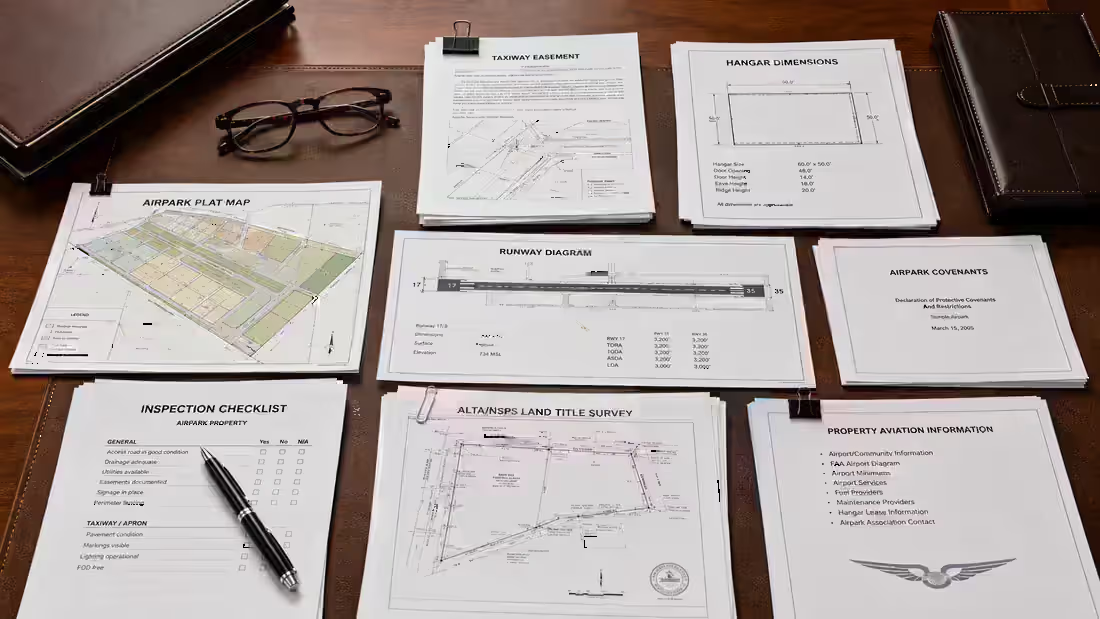
Title, surveys and avigation restrictions
Aviation properties can contain title matters unfamiliar to buyers of conventional homes: taxi and access easements, avigation easements, overflight notices, noise disclosures, height restrictions, obstruction-removal rights, shared-maintenance obligations and development restrictions.
An avigation easement commonly protects aircraft overflight and may limit uses or structures that could interfere with airport operations; its exact effect depends on the recorded document. Compare the legal description and survey with actual conditions: confirm the hangar, apron, fencing, driveway and taxi route sit where the documents say. Any discrepancy should be investigated before closing.
Address financing, appraisal and insurance early
Aviation properties are harder to compare than conventional homes. Do not wait until the end of the transaction to discover that a lender or insurer has concerns. Obtain property-specific feedback while contractual protections remain available.
Raise early
Lender and appraisal
09- Is the property primarily residential?
- Is the hangar residential accessory space?
- Is any commercial use occurring?
- Are sufficient comparable sales available?
- Is runway access transferable, and does it expire?
- Is the road publicly maintained?
- Is there a well or septic system, or significant acreage?
- Is the private runway part of the collateral?
- Are multiple parcels, shares or memberships involved?
Insurance
09- Is the hangar attached or detached?
- Is an aircraft stored inside, and what workshop activity occurs?
- Are fuel, batteries, oxygen or chemicals stored?
- What fire-protection resources are available?
- Who insures the runway and taxiways?
- Are specific liability limits required?
- Must the airport or association be named as additional insured?
- Does the policy cover hangar-door failure?
- Are wind, hail, wildfire or snow-load risks material?
Evaluate future resale before you buy
Aviation properties appeal to a specialised buyer pool. That can create scarcity and strong interest when the property fits the market, and longer sale periods when it does not.
Consider how a future buyer will view airport stability, transferability and remaining term of access, runway condition, association finances, pending assessments, hangar dimensions and door clearance, ability to take common aircraft, residential quality, insurance, financing, approved use, and overall ownership cost. A property should work for the current buyer without depending on one unusual use that makes resale difficult.
Start due diligence before the right property appears
The strongest buyers do not wait until they are under contract to decide what matters. Jacob can help define the mission, build a property-specific checklist, and identify the documents to request.