- What is it?
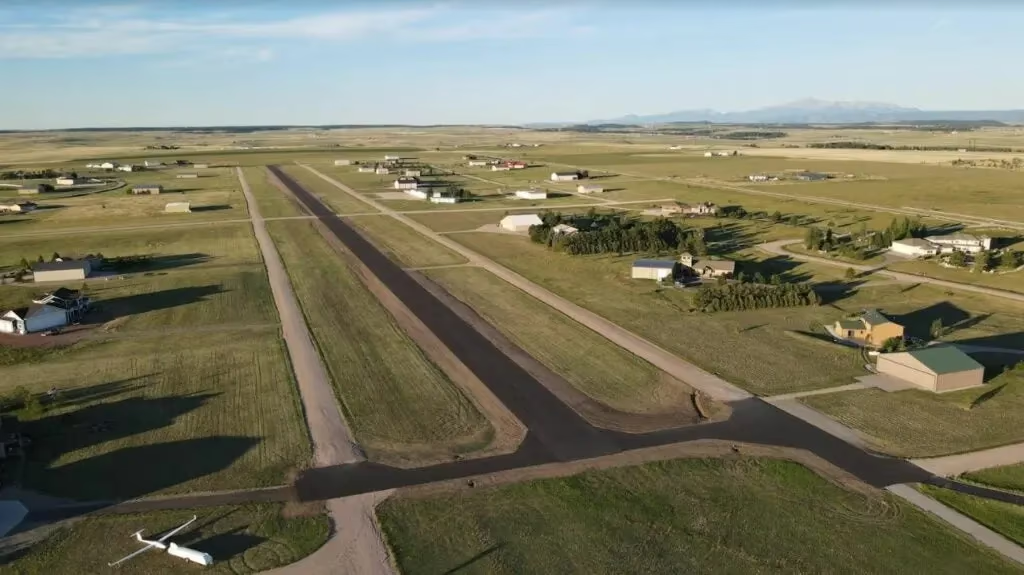
- A private residential aviation community in Elbert County, Colorado, with both airplane and glider operations, identifier CO15.
- Public or private?
- Private. Access is limited to residents and invited guests. Visiting aircraft must be invited by a lot owner and briefed by a resident.
- The runway
- Runway 17/35, 3,800 feet by 44 feet, asphalt, plus a secondary gravel Runway 9/27 at 1,700 feet by 50 feet. Day VFR only: no tower, no runway or taxiway lighting, no public fuel.
- How access works
- Airport rights come with lot ownership and are governed by community documents and Elbert County land-use approvals. Guests arrive by invitation and resident briefing; there is no public transient FBO.
- The largest buyer risk
- Falling for the house before confirming that the aircraft, schedule and mission fit a high-elevation, day-VFR, unfueled field with active gliders and a nearby aerobatic practice area.
- Current listings
- Kelly Air Park homes and lots come to market unpredictably. See listings
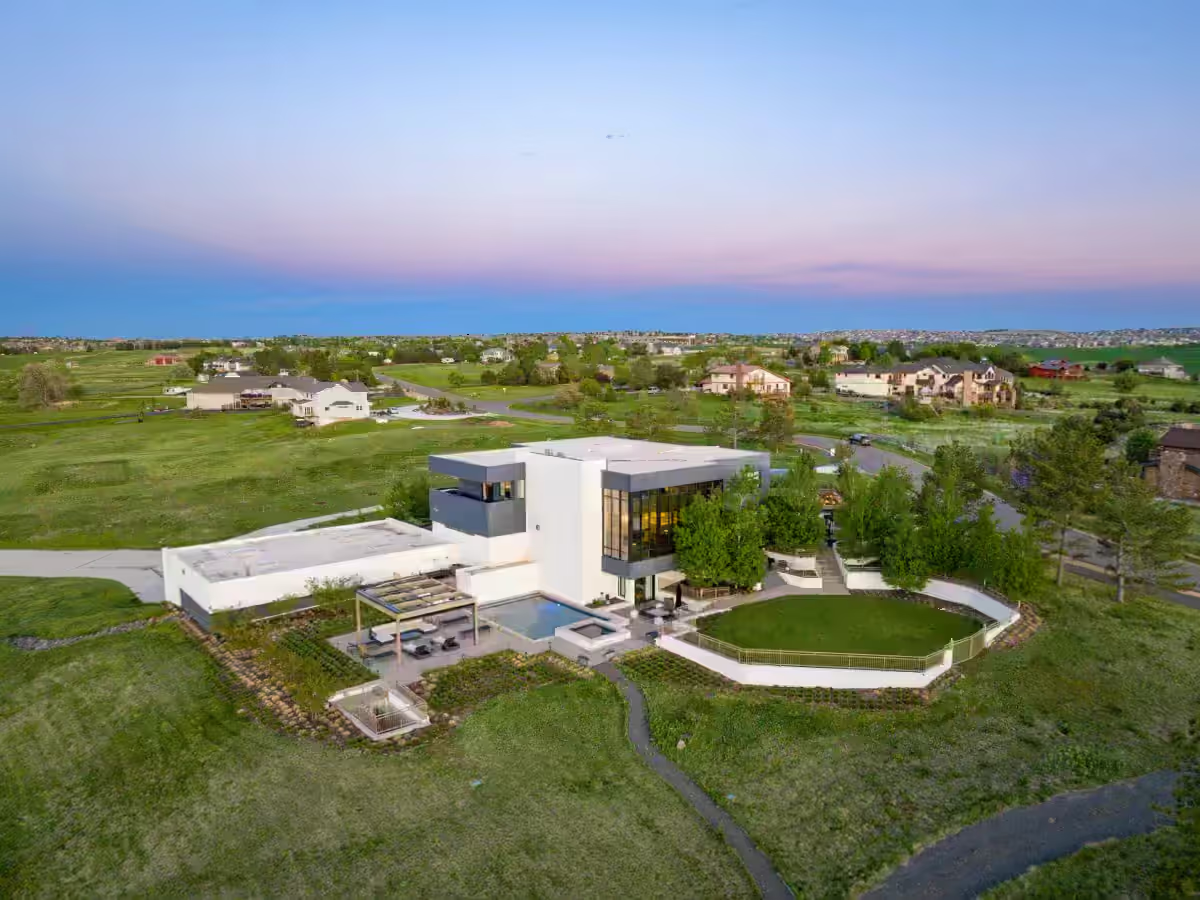
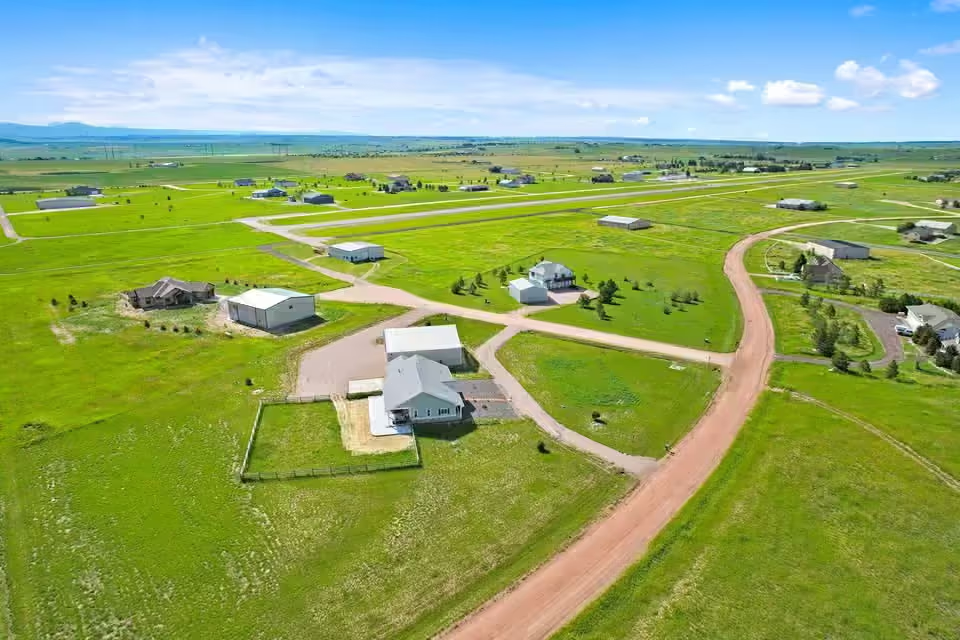
Kelly Air Park is a private residential aviation community in Elbert County with both airplane and glider operations. Its operating environment is different from a municipal airport and different from a private airpark centered only on powered aircraft.
Kelly is a day-VFR airfield without a control tower, runway lighting, public fuel, or a public FBO. Visiting aircraft must be invited by a property owner and briefed by a resident. The community also has active glider operations and a published aerobatic practice area east of the airfield.
That combination creates a clear ownership question: does the buyer's aircraft, schedule, operating experience, and expected use align with the airfield that actually exists? Kelly can be an exceptional fit for the right owner. It is less aligned with a buyer who requires routine night operations, public fuel, unrestricted visitor access, public transient parking, or the service structure of a municipal airport. A buyer who needs lights or public fuel on the field may be better served by the broader Colorado airpark homes guide.
Fit the airport to the mission before you fall for the house
Jacob can help you test the aircraft, schedule and household against Kelly's day-VFR, high-elevation environment before you commit to a property.
Kelly Air Park at a glance
Airport data
CO15
Private residential aviation community, day VFR, non-towered, airplane and glider operations
- Airport type
- Private residential aviation community
- Access
- Residents and invited guests
- Airspace
- Class G at the airfield
- Operating profile
- Day VFR
- Control tower
- None
- Runway and taxiway lighting
- None
- Public fuel and transient FBO
- None
- Primary runway
- Runway 17/35, 3,800 x 44 ft, asphalt
- Secondary runway
- Runway 9/27, 1,700 x 50 ft, gravel
- CTAF
- 123.05
- Weather
- Community site identifies AWOS on 134.375
- Special activity
- Glider operations; aerobatic practice area east of the airport
- Visitor requirement
- Invitation by a lot owner and briefing by a resident
Verified August 15, 2026 against Kelly Air Park (kellyairpark.org) and FAA ADIP
All airport information must be confirmed through current FAA data, community procedures, NOTAMs, weather, and direct airport coordination before flight.
The distinction that matters: Kelly is a mission-specific airpark
Aviation-property buyers sometimes begin with the house and ask about the airport later. At Kelly, the order should be reversed. The airport must fit the aircraft and mission before the buyer becomes attached to the residence.
The questions below are not a list of defects. They are defining characteristics, and a buyer should be able to answer each one before touring homes.
What a buyer should determine first
The operating profile
05- Is day-VFR access sufficient?
- Is the absence of runway lighting acceptable?
- Is public fuel unnecessary?
- Is the absence of public transient parking workable?
- Is another airport available when weather, darkness, fuel, or maintenance requires it?
The aircraft and the field
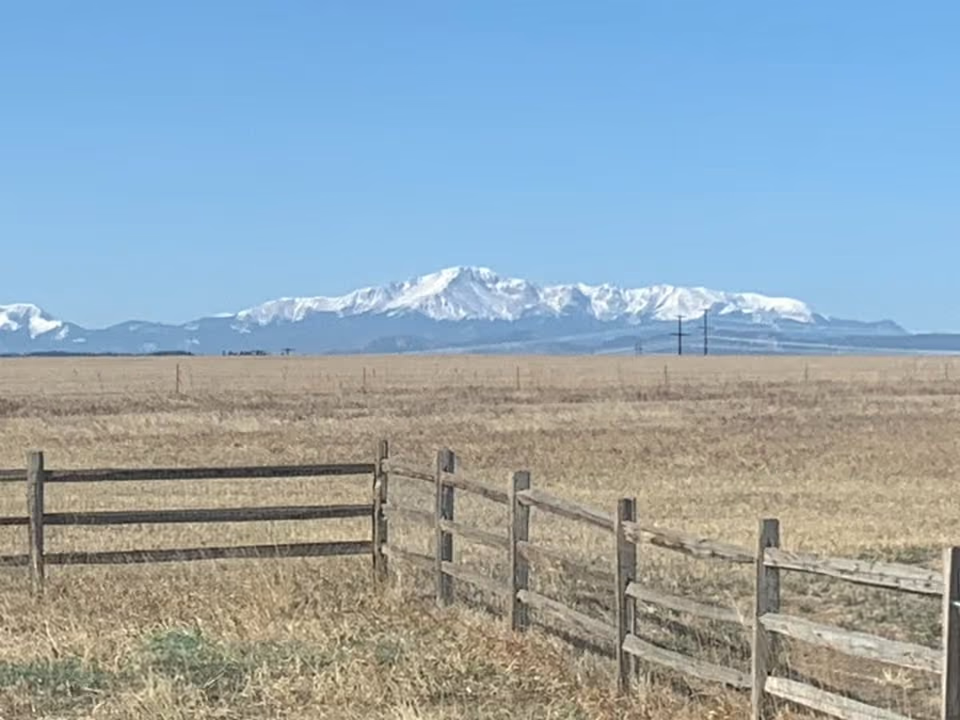
02- Does the aircraft perform comfortably at the airfield's elevation?
- Does the runway support typical loading and summer conditions?
The traffic environment
03- Is the owner comfortable operating around gliders?
- Is the nearby aerobatic activity compatible with expectations?
- Can guests comply with invitation and briefing procedures?
Runway 17/35
FAA airport data identifies Kelly's primary Runway 17/35 as 3,800 feet by 44 feet with an asphalt surface. The runway should be evaluated using current condition, width, slope, wind, temperature, density altitude, aircraft loading, obstacles, traffic, glider activity, pilot experience, and the desired performance margin.
A buyer should not compare the runway with a lower-elevation airport using runway length alone.
Runway 9/27
FAA airport data identifies the secondary Runway 9/27 as 1,700 feet by 50 feet with a gravel surface. Current FAA remarks and community procedures should be reviewed carefully before relying on this runway for any mission.
For a property buyer, the relevant question is not simply whether a second runway exists. The relevant questions are: which runway directions are currently recommended, what surface condition should be expected, which aircraft are suitable, which winds make it useful, how it interacts with glider operations, how often it is maintained, and what limitations apply.
Aircraft-specific analysis a serious buyer should complete
Conditions and loading
06- Typical summer temperature
- Maximum planned loading
- Passenger and baggage load
- Fuel load
- Runway condition
- Wind
Performance outcomes
06- Takeoff distance
- Accelerate-stop considerations where relevant
- Climb gradient
- Obstacle clearance
- Go-around performance
- Desired safety margin
Day-VFR ownership
Kelly's official operating information identifies the airport as a day-VFR field without runway or taxiway lighting. This affects more than nighttime recreational flying.
It can affect winter arrival planning, late-afternoon departures, business travel, weather delays, seasonal daylight, unexpected diversions, passenger coordination, alternate-airport planning, and aircraft retrieval after dark. A buyer should decide whether the restriction aligns with the actual travel schedule rather than an idealized flying pattern.
Glider operations
Kelly supports both powered-aircraft and glider operations. Its official community information specifically identifies glider activity and recognizes Black Forest Soaring Society student glider and tow-pilot instruction as an exception to the community's restriction on non-owner flight-school use.
Glider operations can involve tow aircraft, gliders, staging areas, ground crews, launch activity, aircraft with different performance profiles, aircraft unable to go around in the same manner as powered aircraft, and additional situational-awareness requirements. FAA non-towered airport guidance addresses integration among airplanes, gliders, rotorcraft, parachutes, and other operations.
A buyer should observe the airfield during active soaring operations and understand the published community procedures before making a decision.
Visiting aircraft and guest access
Visitors arriving by aircraft must be invited by a Kelly lot owner and briefed by an airpark resident. The community also states that Kelly should not be used as a destination for flight schools or non-owner instruction, apart from its stated glider and tow-pilot exception.
A buyer who expects regular business visitors by air should resolve the following questions before purchase.
Questions a prospective owner should ask about guests
Invitation and briefing
05- How is an invitation documented?
- Who may provide the briefing?
- Must the briefing occur for every visit?
- Can recurring guests be approved?
- Can a tenant invite an aircraft?
Parking, stays and limits
05- Where can visiting aircraft park?
- Can a guest stay overnight?
- Are commercial visitors prohibited?
- Are fly-in events handled differently?
- What insurance requirements apply?
Airport governance and Elbert County land use
Kelly Air Park is governed not only by its community documents but also through Elbert County land-use controls. Elbert County records identify Kelly Air Park through a planned-unit-development framework.
In 2024, the County approved an amendment to the Kelly Air Park PUD written guide for a portion of community property. The approval included conditions concerning disturbed soil, erosion, weeds, and onsite wastewater permitting if future restrooms were installed. That decision does not describe every residential lot. It demonstrates why buyers should research the current PUD written guide, recorded plat, County zoning, approved uses, association documents, lot-specific permits, future construction, water and wastewater, common property, and airport improvements.
The airpark name does not replace County approval.
Association and shared infrastructure review
Kelly's public site notes seasonal mowing activity within common areas, which illustrates that runway and common-area maintenance can place equipment near operating surfaces. A buyer should understand how maintenance is communicated and how owner responsibilities are divided.
Governing documents
09- Declaration
- Covenants
- Bylaws
- Airport operating procedures
- Maps
- Architectural requirements
- Visitor rules
- Glider procedures
- Aerobatic-area information
Money and records
08- Current budget
- Financial statements
- Reserves
- Insurance
- Meeting minutes
- Assessments
- Violations affecting the property
- Pending litigation
Operations and maintenance
04- Runway plans
- Mowing procedures
- Snow procedures
- Equipment records
Property and hangar due diligence
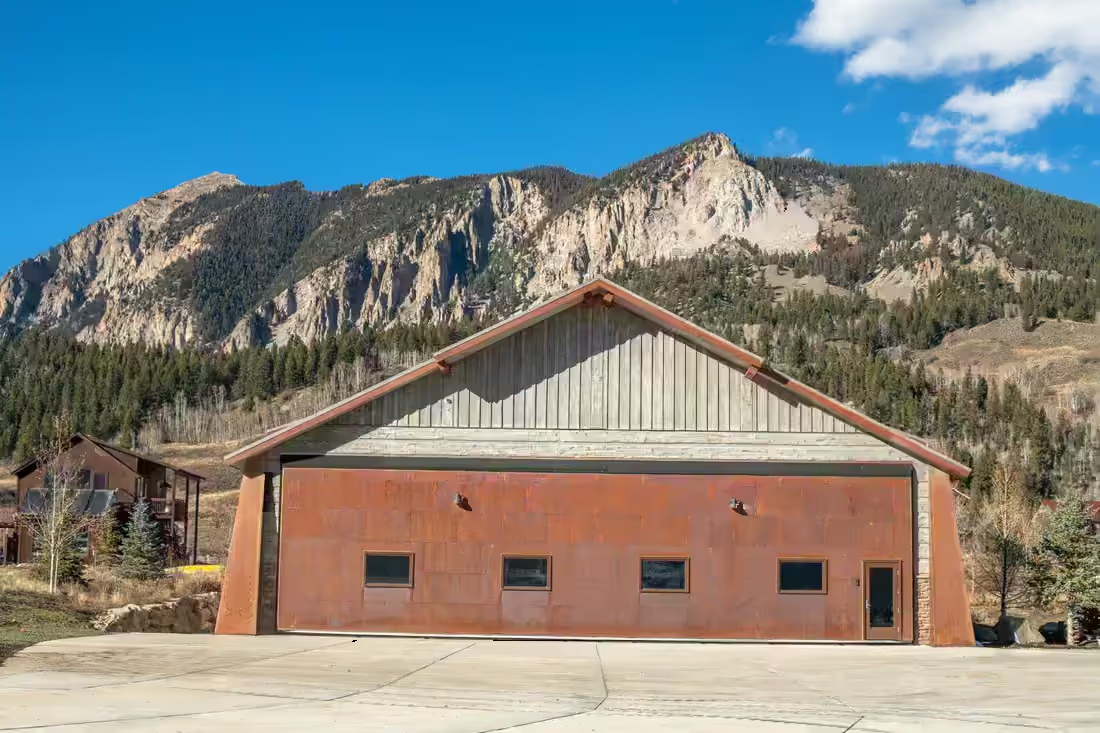
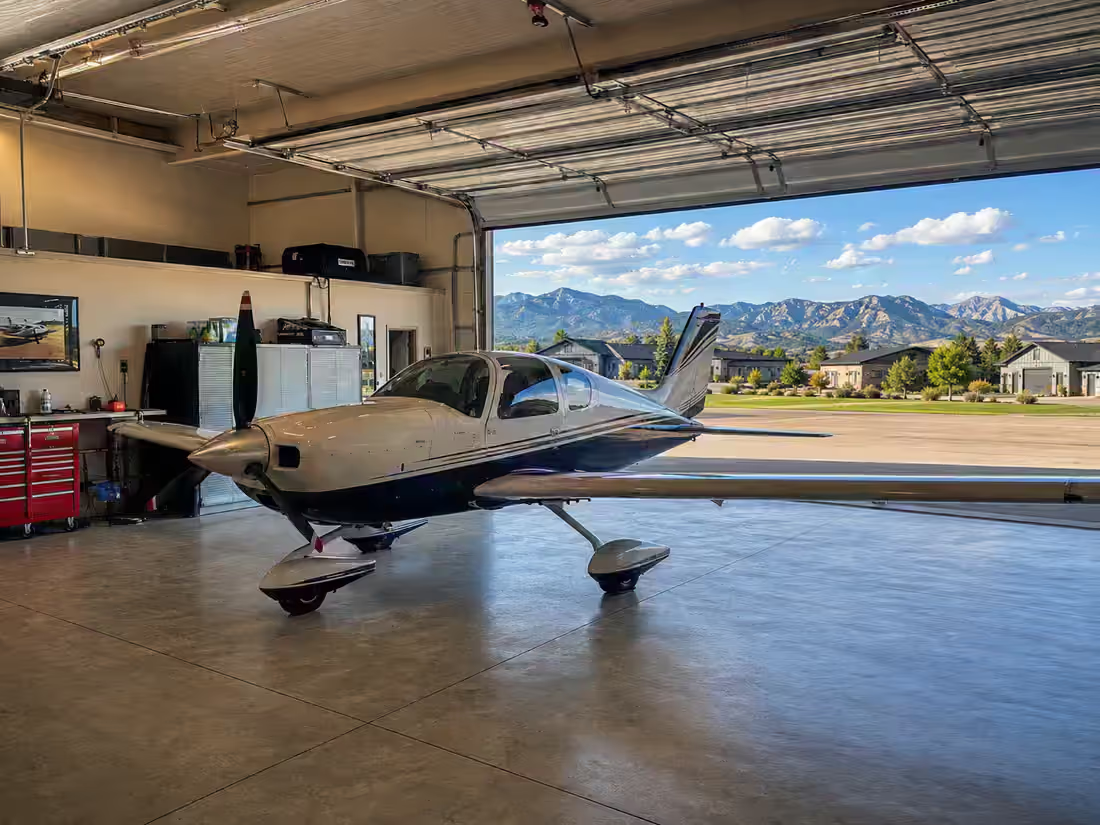
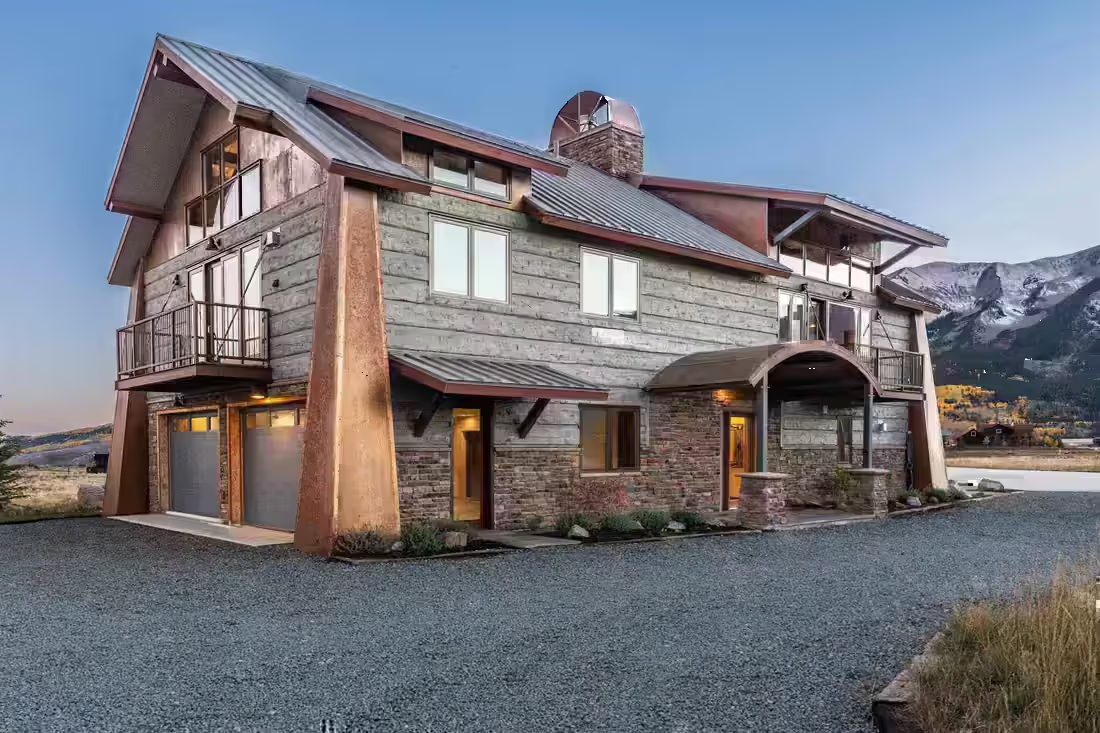
A Kelly property is a residence, a hangar, a taxi route and a lot, and each has its own list. Verified measurements and permit records matter more than the description in a listing.
The residence and the hangar
The residence
17- Structure
- Roof
- Windows
- Heating
- Cooling
- Water
- Wastewater
- Drainage
- Insurance
- Road
- Snow
- Internet
- Cellular service
- Fire protection
- Outbuildings
- Permits
- Intended use
The hangar
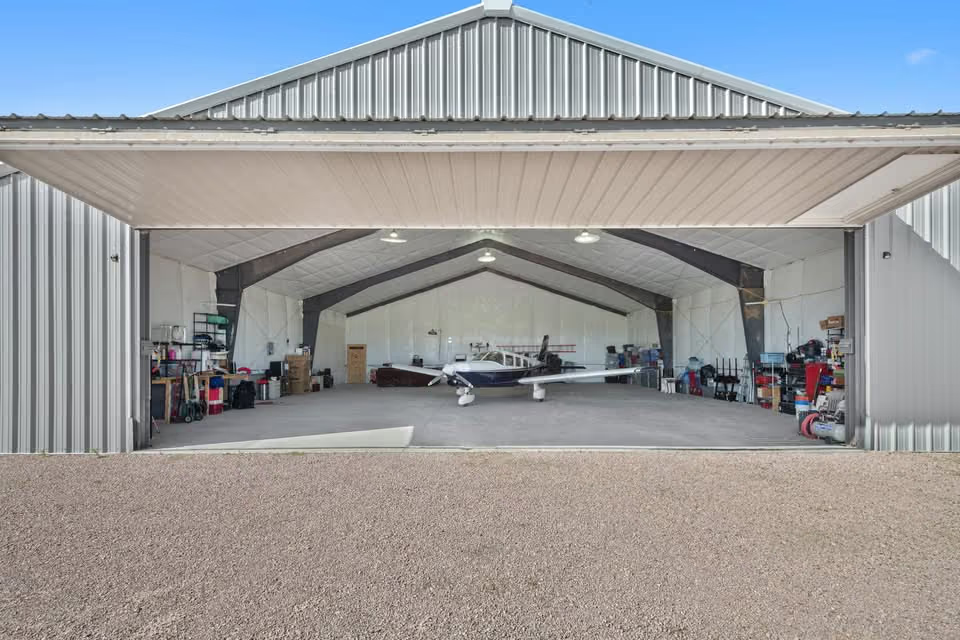
17- Clear door width
- Clear door height
- Interior dimensions
- Tail clearance
- Wingtip clearance
- Door condition
- Slab
- Roof
- Drainage
- Heating
- Electrical capacity
- Ventilation
- Fire protection
- Office
- Workshop
- Permits
- Approved activity
The taxi route and the lot
The taxi route
12- Easement
- Width
- Turns
- Surface
- Grade
- Drainage
- Gates
- Road crossings
- Wingtip hazards
- Snow storage
- Seasonal equipment
- Route maintenance
The lot
13- County zoning
- PUD requirements
- Building envelope
- Architectural approval
- Well
- Septic
- Propane or other fuel
- Electrical service
- Internet
- Road obligations
- Wildfire
- Drainage
- Future hangar or residence expansion
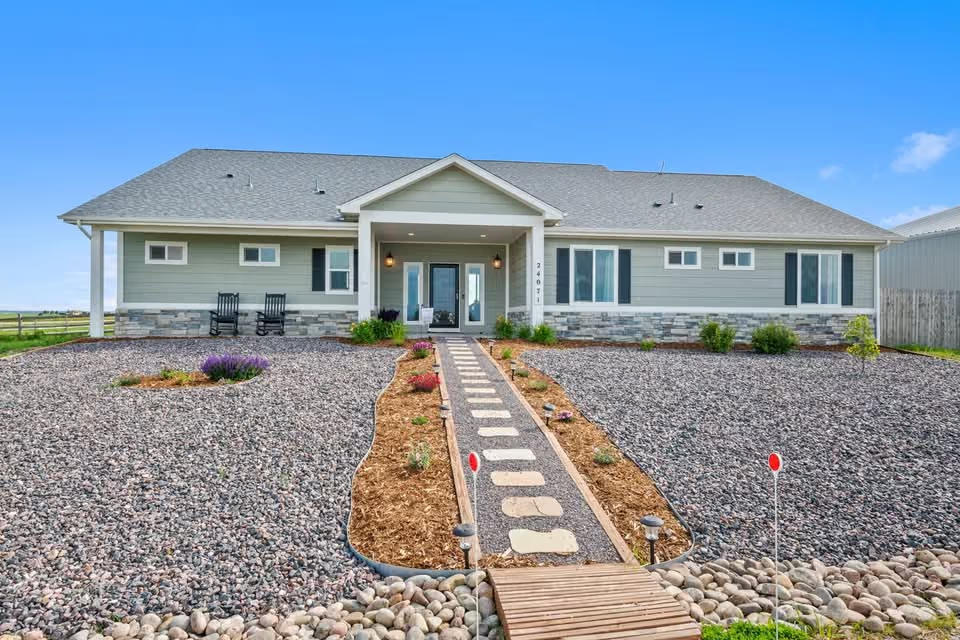
Buying at Kelly Air Park: a practical mission test
A Kelly buyer should be able to answer yes to each of the statements below. A no answer does not make Kelly an inferior community. It means another aviation setting may fit the mission better.
The mission test
The airfield
05- Day-VFR use supports my real schedule
- I do not depend on public fuel at the airfield
- I understand the absence of runway lighting
- My aircraft performs with acceptable margins
- I have an alternate-airport strategy
The community
05- I am comfortable around glider operations
- I understand the nearby aerobatic activity
- My guests can comply with invitation procedures
- I understand private-airport governance
- I am comfortable sharing infrastructure responsibility
Questions to answer before making an offer
Rights and the association
07- What airport rights transfer with the property?
- What association approval is required?
- What dues and assessments apply?
- What runway work is planned?
- What reserves exist?
- What visitor rules apply?
- Can tenants use the airport?
The airfield and the aircraft
08- What glider procedures should the owner understand?
- What aerobatic activity should be expected?
- Does the aircraft fit the primary runway mission?
- Is the secondary runway relevant to the aircraft?
- Are day-only operations acceptable?
- Where will fuel be obtained?
- Where can maintenance be performed?
- What alternate airports support the mission?
The property and the long view
05- What are the hangar's verified clearances?
- What utility systems serve the property?
- What Elbert County approvals govern the lot?
- Can the property be financed and insured?
- How will these factors affect resale?
Selling a Kelly Air Park property
A qualified buyer will want facts before lifestyle language. Prepare airport-rights documentation, taxi-easement information, association documents, current fees and assessments, runway information, visitor procedures, glider procedures, hangar dimensions, door dimensions, building permits, utility records, well and septic information where applicable, insurance requirements, equipment inclusions, road information, current airport-resource links, and the date of verification.
The listing should explain clearly that Kelly is private, day VFR, non-towered, not publicly fueled, home to airplane and glider operations, and subject to invited-guest procedures. That transparency helps reach buyers whose aviation mission actually fits the property.
Selling an aviation property
How Jacob positions hangar homes, airport rights and a smaller buyer pool, and the documents a qualified aviation buyer will ask for first.
Kelly Air Park homes and lots for sale
When no matching property is active, Jacob can establish a search, monitor homes and lots, evaluate mission compatibility, and organize the property and airport review before the right opportunity appears.
Kelly Air Park frequently asked questions
Choose Kelly because the mission fits
Kelly Air Park offers a distinct form of Colorado aviation living built around private ownership, day-VFR operations, airplane and glider activity, and resident participation. Jacob can help determine whether the property and airfield support the way you actually intend to live and fly.