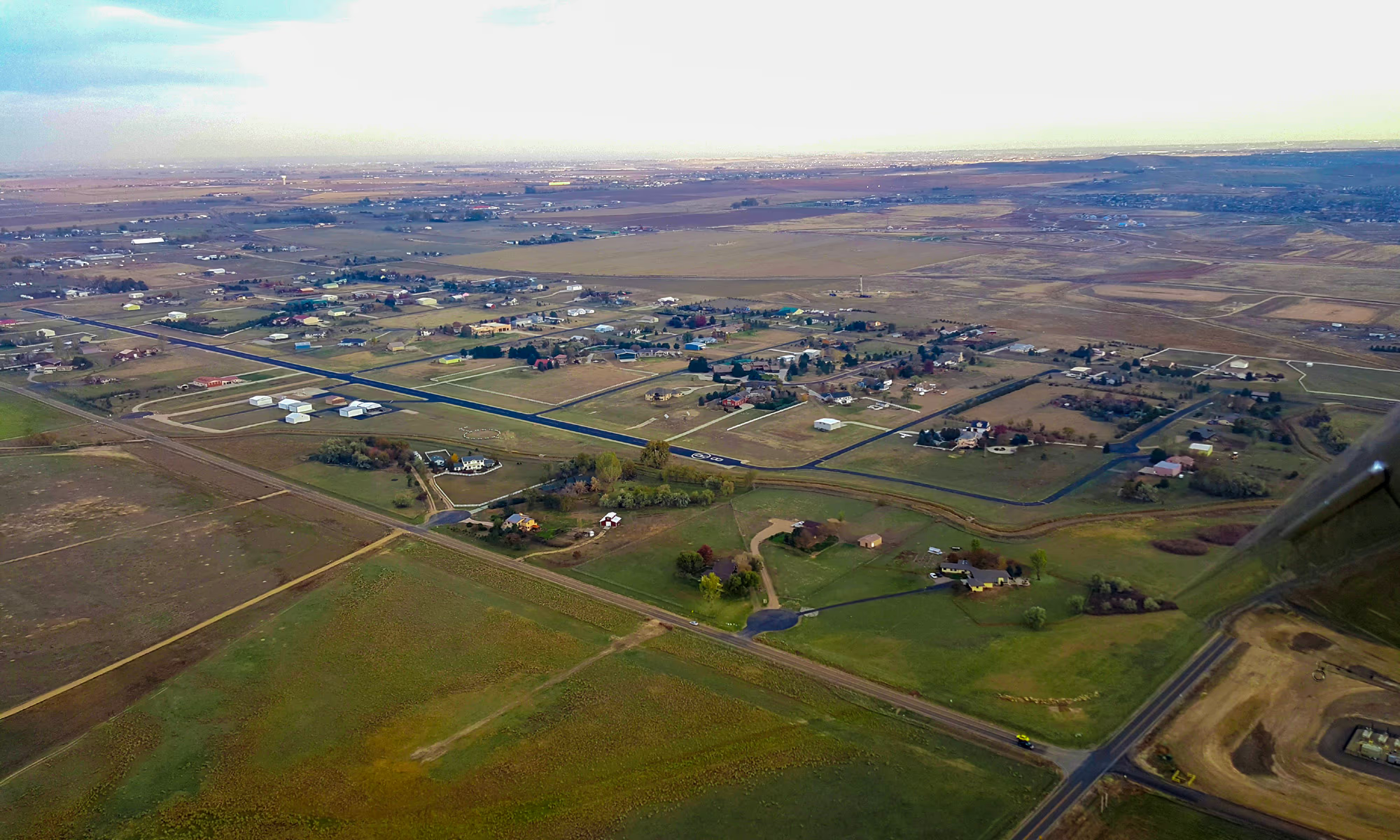
- What is it?
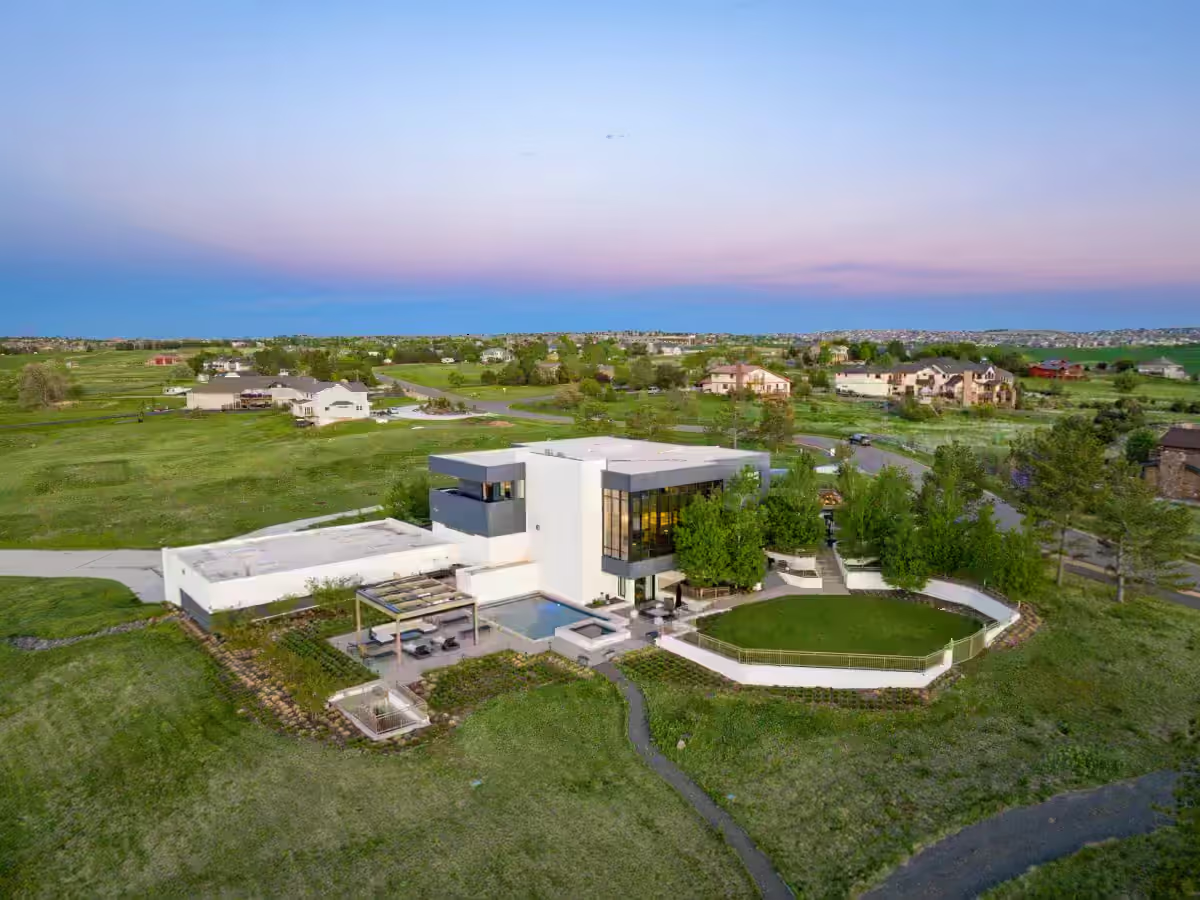
- A private residential aviation community in Weld County near Erie and Boulder, established in 1978 with 91 residential lots on multi-acre fly-in homesites.
- Public or private?
- Private. Parkland is a private residential airpark, identifier 7CO0, open to residents and invited guests.
- The runway
- Runway 8/26, 4,200 feet by 50 feet, with timed lighting from sunset until 11 p.m. Runway 26 has approximately 3,800 feet of landing distance available because of a displaced threshold. A secondary Runway 17/35 is 2,000 feet by 30 feet.
- How access works
- Residential lots connect to jointly owned airport property through recorded aircraft taxi easements. Owners are members of the association that governs, funds and maintains the airfield. Visiting aircraft must be invited and complete the community's hold-harmless process.
- The largest buyer risk
- Treating the purchase as access alone. The buyer becomes one of the owners responsible for the physical condition and cost of the shared runway and for the quality of the organization governing it.
- Current listings
- Parkland Estates properties come to market unpredictably. See listings
Parkland Estates is a private residential aviation community in Weld County near Erie and Boulder. The community was established in 1978 and contains 91 residential lots. Its original design centered on multi-acre fly-in homesites connected through aircraft taxi easements to jointly maintained airport property.
Unlike Erie Air Park, Parkland is not a residential neighborhood accessing a Town-owned public airport. At Parkland, the airport and residential community are directly connected through private ownership, association governance, taxi easements, rules, assessments, and shared responsibility.
A buyer is not only purchasing access to aviation infrastructure. The buyer may also become one of the owners responsible for preserving, governing, insuring, funding, and maintaining that infrastructure.
Buy the runway responsibility with the same clarity as the runway access
Jacob can help you review the property, the taxi easement, the hangar, the association's finances and the airport's condition together before you commit.
Parkland Estates Airpark at a glance
Airport data
7CO0
Private residential airpark, residents and invited guests
- Airport type
- Private residential airpark
- Airport access
- Residents and invited guests
- Community
- 91 residential lots, established 1978
- Property character
- Multi-acre fly-in homesites with aircraft taxi easements
- Primary runway
- Runway 8/26
- Primary dimensions
- 4,200 x 50 ft
- Runway 26 landing distance
- ~3,800 ft available (displaced threshold)
- Primary lighting
- Timed, sunset until 11 p.m.
- Secondary runway
- Runway 17/35
- Secondary dimensions
- 2,000 x 30 ft
- Secondary surface
- Combination of asphalt and unpaved
- Field elevation
- ~5,050 ft MSL (community information)
- Guest requirement
- Invited aircraft complete the hold-harmless process
Verified August 15, 2026 against Parkland Estates Airpark pilot information
All operational information should be confirmed through current airport publications and community procedures before flight.
Primary Runway 8/26
Parkland's official pilot information identifies Runway 8/26 as 4,200 feet long and 50 feet wide. The community notes that the landing distance available on Runway 26 is approximately 3,800 feet because of a displaced threshold. The primary runway has timed lighting from sunset until 11 p.m.
A nominal runway length should not be treated as the only performance consideration.
Verify the primary runway
Surface and lighting
06- Current pavement condition
- Current displaced threshold
- Lighting condition
- Lighting activation
- Markings
- Drainage
Operations
05- Snow-removal procedures
- Planned maintenance
- Operating restrictions
- Current traffic patterns
- Current guest procedures
Secondary Runway 17/35
Community pilot information describes Runway 17/35 as 2,000 feet by 30 feet with a combination of asphalt and unpaved surface. Published community procedures prohibit touch-and-go operations on that runway and place additional limitations on certain takeoff directions.
A buyer should understand whether the secondary runway is relevant to the intended aircraft and mission or simply part of the broader airfield environment.
Private-airport access
Parkland is open to residents and invited guests. A visiting aircraft must be sponsored appropriately and complete the community's hold-harmless process before using the runway and facilities.
A buyer whose regular mission depends on unrestricted client, customer, student, charter, or guest access should investigate those requirements carefully.
What private status means
For visitors
04- Public landing access should not be assumed
- Guests must follow community procedures
- Owners may be responsible for briefing visitors
- There may be no public transient services
For the rules
02- Community rules can be more restrictive than public-airport norms
- Visitor access can change through association governance
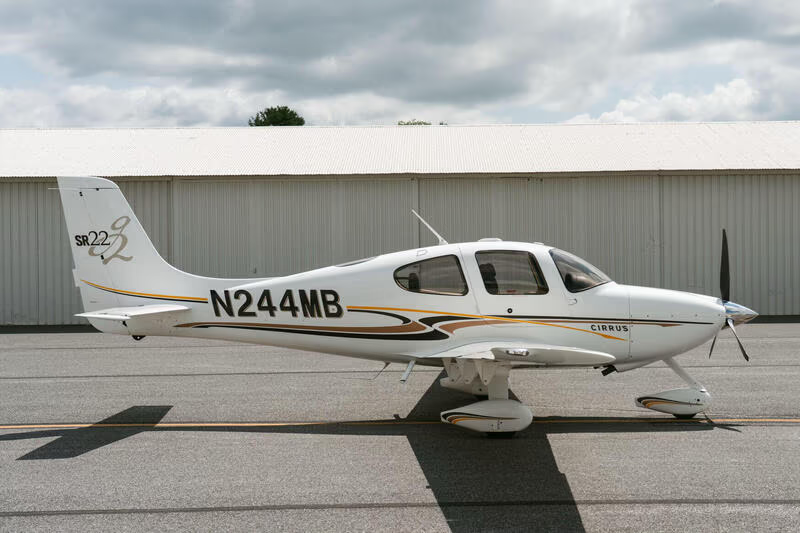
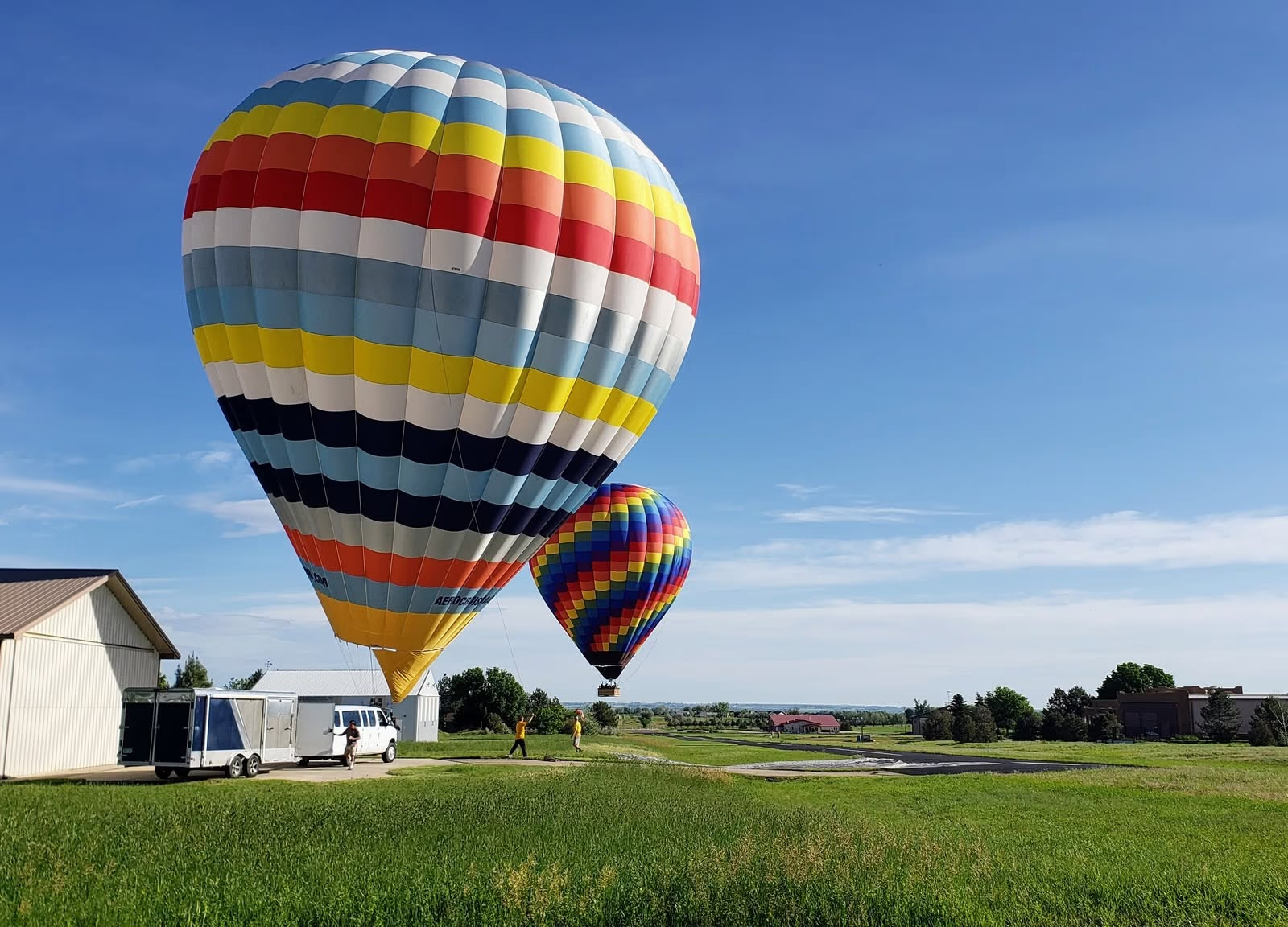
The distinction that matters: Parkland owners share responsibility for the airport
At a public-use airport, a municipal or governmental sponsor generally owns and operates the airfield. At Parkland, the community association is closely tied to the airport's private ownership and operation. The runway, taxi routes, lighting, common areas, rules, insurance, and capital needs are therefore part of residential ownership.
FAA guidance recognizes that private, federally unobligated airparks can restrict public access and establish rules that would not be acceptable at a federally obligated public-use airport. Erie Air Park, beside a Town-owned public airport, sits on the other side of that line; Van Aire Skyport, another resident-funded airpark, is the closer comparison for how a private airport is governed and paid for.
Recorded taxi easements
Parkland's original planning used aircraft taxi easements to connect residential lots with the central airport property. The official covenants refer to dwelling sites with taxi easements radiating toward jointly owned and managed common airport property.
Taxi easements are functional aviation corridors. A fence, tree, building, parked vehicle, drainage structure, or landscaping improvement can affect aircraft use even when it appears ordinary from a residential perspective.
Verify the taxi easement for the exact lot
The legal route
06- Whether the property is crossed by a taxi easement
- Whether the lot has direct access to one
- Easement width
- Permitted users
- Maintenance responsibility
- Whether the physical route matches the recorded plat
The physical route
07- Surface requirements
- Fence restrictions
- Landscape restrictions
- Obstructions
- Drainage
- Road crossings
- How the route connects to the runway
Review the community as an infrastructure organization
Parkland's association documents establish residential obligations relating to dues, assessments, records, common property, and community governance. Current association policy confirms that owners can be obligated to pay dues and assessments.
The question is not only whether current dues appear reasonable. The more important question is whether the association has enough money, authority, planning, and owner participation to maintain an airport over time.
Request from the association
Governing documents
08- Declaration and covenants
- Articles
- Bylaws
- Rules
- Airport procedures
- Guest-aircraft procedures
- Architectural standards
- Violation information affecting the property
Finances
08- Current budget
- Prior budgets
- Financial statements
- Reserve information
- Assessment history
- Delinquencies
- Insurance
- Claims history where available
Airport condition and planning
06- Meeting minutes
- Capital plans
- Runway reports
- Lighting reports
- Snow-removal plan
- Pending litigation
Runway reserves and capital planning
A private runway can require substantial work involving crack sealing, surface treatment, overlay, reconstruction, drainage, markings, shoulders, lighting, electrical service, snow-removal equipment, mowing, signage, engineering, and insurance.
Low current dues can be attractive, but they are not evidence that future infrastructure costs are fully funded.
Ask about the runway's future
Condition and planning
05- When was the runway last evaluated professionally?
- What is the estimated remaining service life?
- Is there a pavement-management plan?
- Are repairs being postponed?
- What work is expected during the buyer's ownership period?
Money and authority
05- How much is reserved?
- How would a major project be funded?
- Can the board impose an assessment?
- Does a major expenditure require an owner vote?
- Are owner delinquencies material?
Multi-acre does not mean unrestricted
Parkland's official community description emphasizes multi-acre homesites, but lot size does not establish unrestricted building or aviation use. An aircraft route can constrain where fences, landscaping, additions, and outbuildings may be placed.
Investigate for the exact parcel
Land use and approvals
08- Weld County zoning
- Planned-unit or subdivision restrictions
- Building envelope
- Setbacks
- Taxi easements
- Architectural approval
- Fire code
- Drainage
Hangar and aviation use
06- Hangar location
- Hangar height
- Door size
- Exterior aircraft parking
- Commercial aviation activity
- Future expansion
Rural property use
05- Well
- Septic system
- Outbuildings
- Animal use
- Home occupation
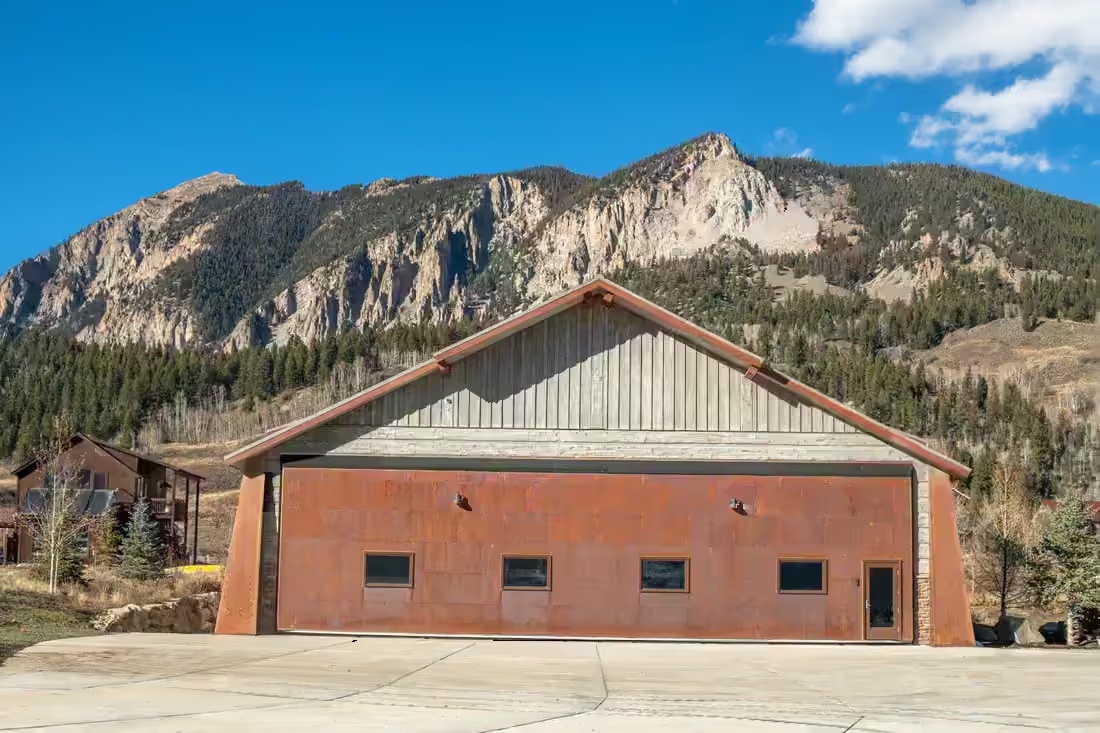
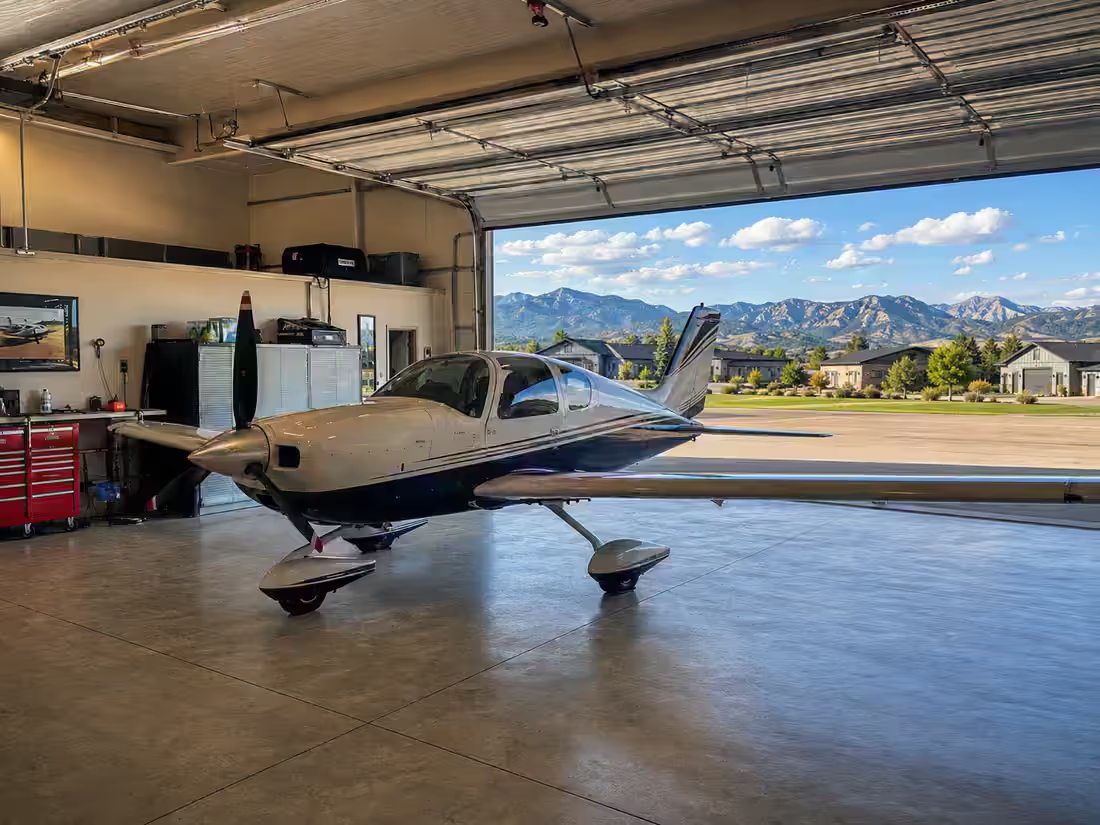
Hangar evaluation
The hangar should support the aircraft without requiring repeated movement of vehicles, equipment, cabinets, or stored property.
Fit and clearances
09- Door clear-opening width
- Door clear-opening height
- Interior clear dimensions
- Structural supports
- Tail clearance
- Wingtip clearance
- Apron
- Turning space
- Taxi-easement connection
Systems and condition
09- Heating
- Insulation
- Electrical capacity
- Lighting
- Ventilation
- Fire protection
- Door condition
- Roof
- Drainage
Approvals
02- Permits
- Approved use
Property utilities
Do not infer utilities from the community name or lot size. Aviation convenience should not overshadow ordinary rural-property due diligence.
Water and septic
06- Water source
- Well permit where applicable
- Shared-well agreement
- Water quality
- Septic permit
- Septic capacity
Energy and connectivity
04- Natural gas or propane
- Electrical service
- Internet
- Cellular service
Site and access
04- Irrigation
- Drainage
- Road maintenance
- Snow removal
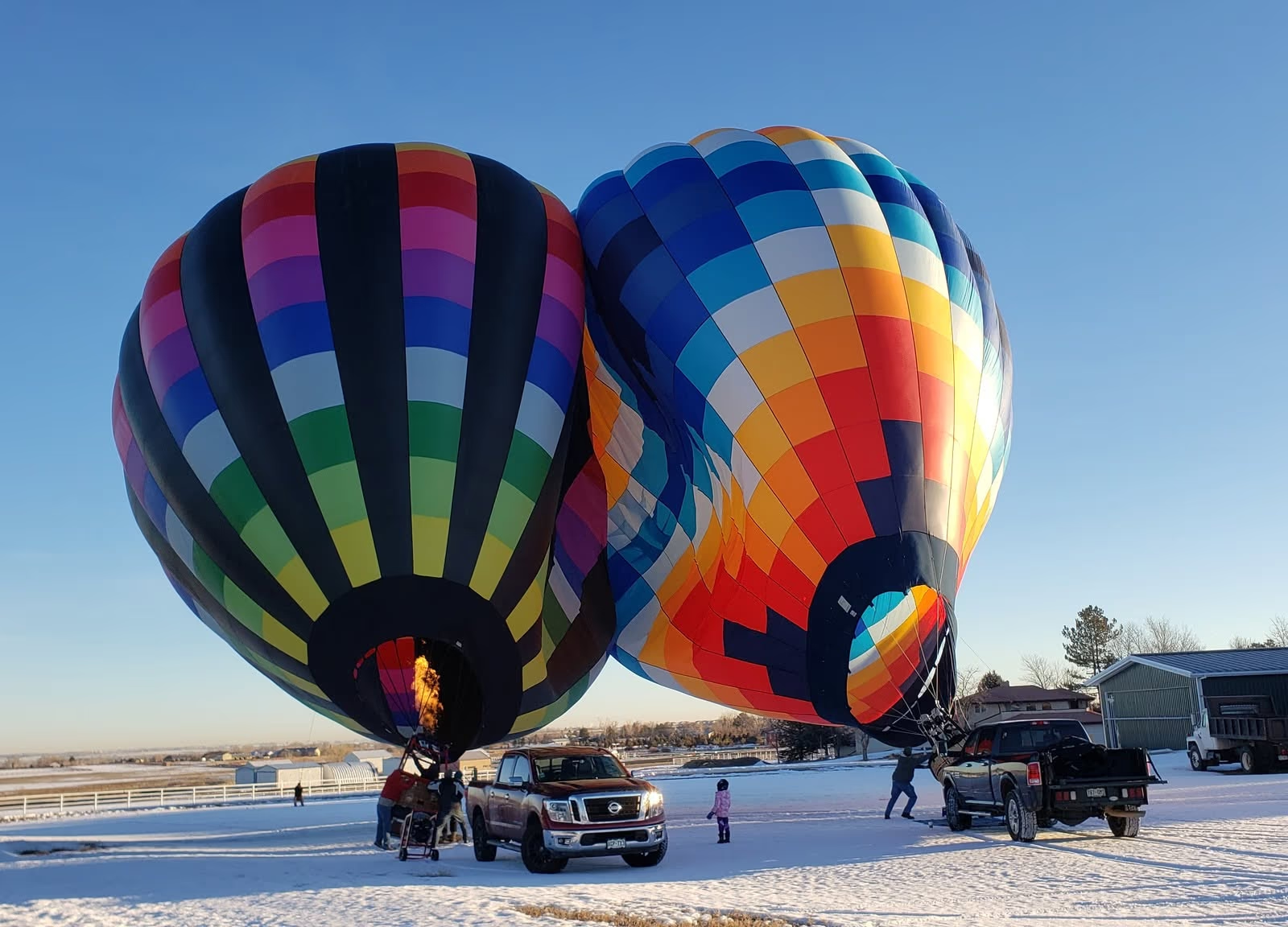
Density altitude and aircraft performance
Parkland is a Front Range airport at approximately 5,000 feet above sea level. FAA guidance explains that high density altitude reduces engine output, propeller efficiency, takeoff performance, landing performance, and climb capability. Temperature and humidity can increase the effect.
A buyer should evaluate the runway using the aircraft flight manual, aircraft loading, temperature, wind, runway condition, surface, slope, displaced threshold, obstacles, pilot experience, and the desired performance margin. A real estate page cannot determine whether the airport is suitable for a particular aircraft.
Buying a Parkland Estates property
Define the ownership mission
Decide whether the goal is frequent aircraft use, occasional aircraft use, multiple aircraft, glider or experimental aircraft ownership, workshop use, vehicle collection, larger residential land, private-airport community involvement, long-term aviation retirement, or future hangar construction.
Review the airport and the association together
Do not evaluate the runway without the finances. Do not evaluate the association without inspecting the runway.
Verify taxi access
Confirm that the legal route, physical route, aircraft dimensions, and intended use work together.
Investigate guest and commercial restrictions
A buyer expecting clients, customers, students, tenants, or frequent aircraft guests may have different needs from a private recreational owner.
Review airport participation expectations
Private airpark ownership can involve board service, committees, volunteer work, voting, meetings, maintenance decisions, community events, and guest coordination. The buyer should understand the community culture as well as the documents.
Questions to answer before making an offer
Membership and rights
05- Is the property a member of the airport association?
- What airport rights transfer?
- Is a separate membership approval required?
- What taxi easement serves the lot?
- Does the aircraft fit the route?
Money and insurance
06- What dues apply?
- What assessments are authorized?
- What reserves exist?
- What runway work is planned?
- What insurance does the association maintain?
- What insurance must an owner maintain?
Use and restrictions
06- What visitor procedure applies?
- Can tenants use the airport?
- Can guests park aircraft at the property?
- What commercial uses are prohibited?
- Can the hangar be expanded?
- What architectural review applies?
The property and the future
03- Which utilities serve the property?
- What well or septic records exist?
- What will a future buyer need to know?
Selling a Parkland Estates property
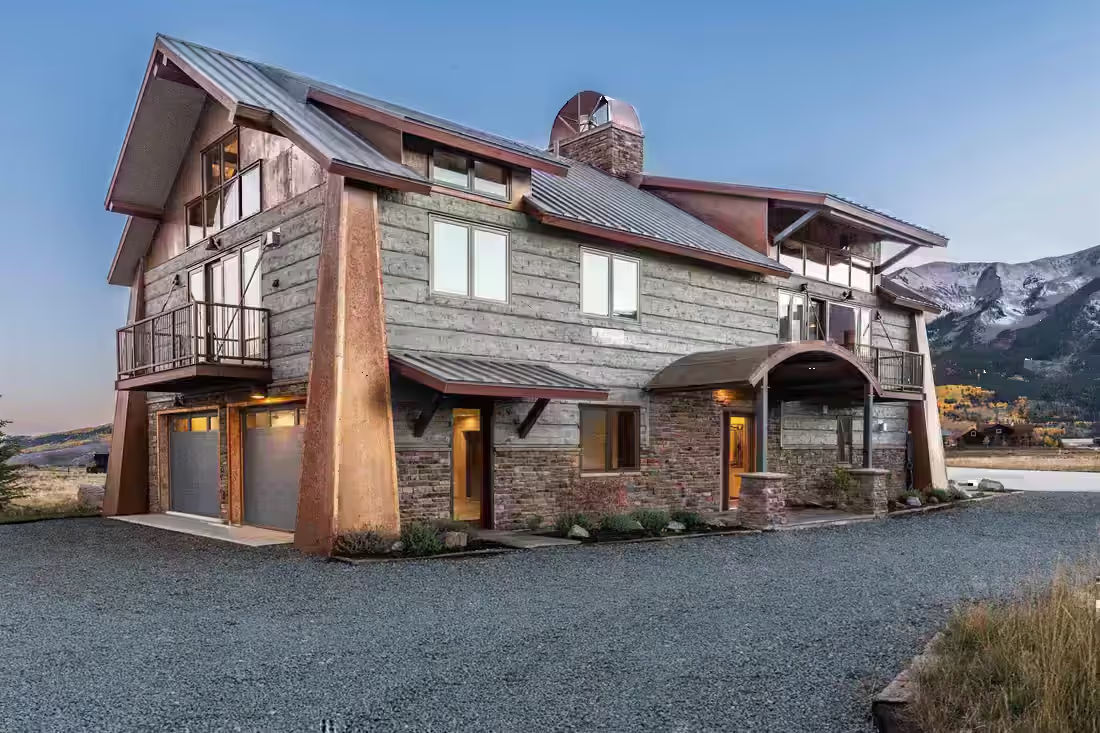
The listing should document the property's relationship to the airport. Prepare the recorded taxi easement, community map, association documents, current dues, current assessments, reserve information available to the seller, airport operating procedures, guest procedures, hangar plans, door dimensions, interior dimensions, apron dimensions, permit history, utility information, well and septic records, included equipment, excluded equipment, current runway facts, and the date of airport-data verification.
Parkland's official site maintains a notification list for pilots interested in property becoming available. That indicates a specialized audience, but every listing still needs complete public and direct professional marketing appropriate to the seller's chosen strategy.
Selling an aviation property
How Jacob positions hangar homes, taxi easements and a smaller buyer pool, and the documents a qualified aviation buyer will ask for first.
Parkland Estates homes for sale
When no listing is publicly available, Jacob can monitor public listings, coordinate with professional aviation-real-estate networks, and help a qualified buyer prepare before an opportunity appears.
Parkland Estates Airpark frequently asked questions
Own the runway responsibility as well as the runway access
Parkland offers a compelling private aviation setting for an owner who values multi-acre residential property and resident-oriented airport access. The right buyer should also be comfortable participating in the long-term governance and funding of the infrastructure that makes the community possible.