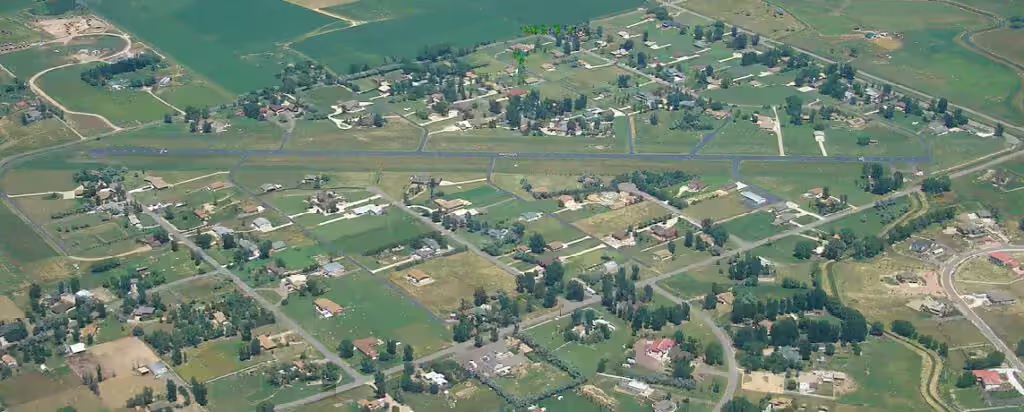
- What is it?
- A private residential airpark approximately five miles east of Brighton, Colorado, with homes, hangars and direct access to a shared runway and taxiway environment.
- Public or private?
- Private. Van Aire Skyport Corporation, a resident governance structure, owns and maintains the airfield and its common property.
- The runway
- Runway 12/30, 3,681 feet by 50 feet, asphalt, non-towered, VFR only, with lighting and VASI activated by the published radio-click procedure on 122.9.
- How access works
- Residents taxi directly from their properties. Nonresident aircraft require prior permission and a signed permission and indemnification form before landing.
- The largest buyer risk
- Evaluating the association through its current payment alone. The corporation's governance quality, reserves, and runway plans can influence property value as directly as the runway condition.
- Current listings
- Van Aire Skyport properties come to market unpredictably. See listings
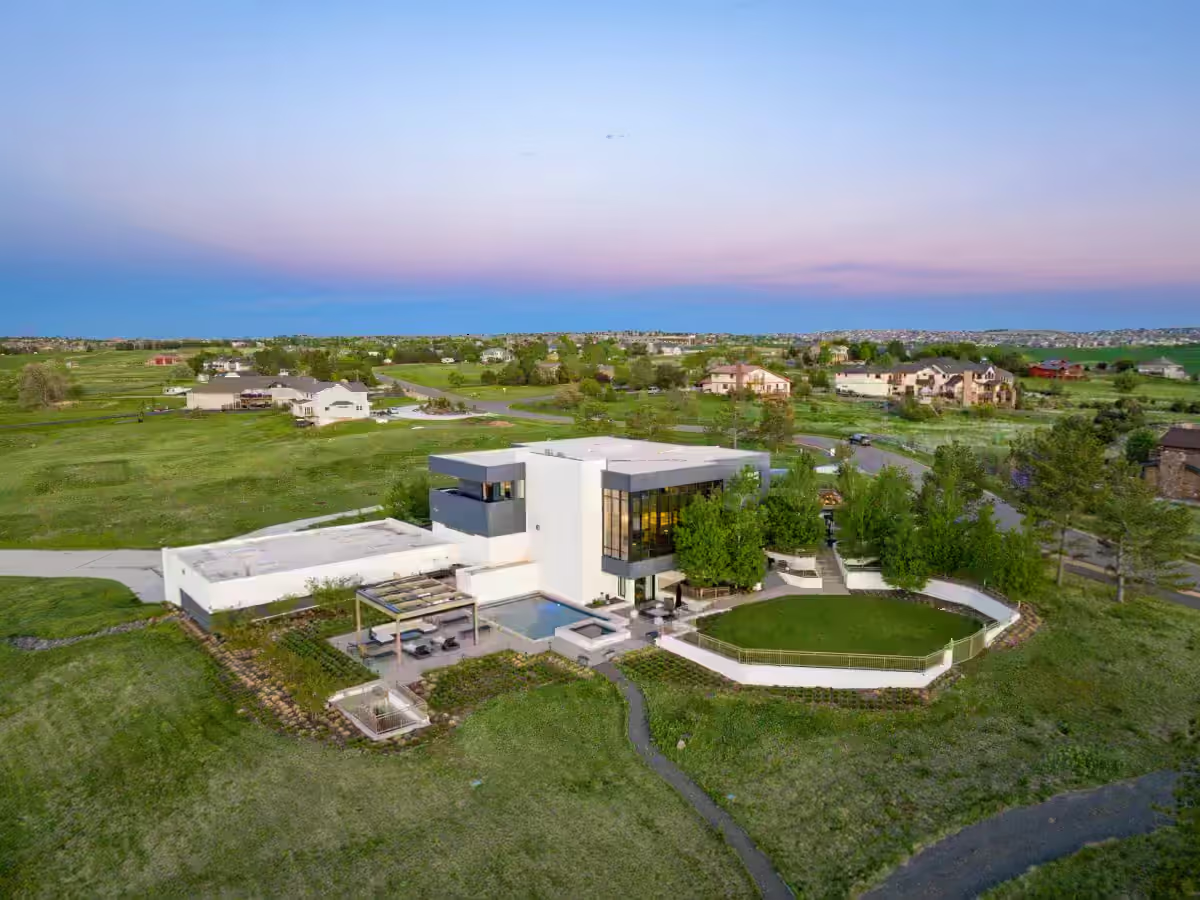
Van Aire Skyport is a private residential airpark east of Brighton, Colorado. The community combines private homes, aircraft hangars, direct access to a shared runway and taxiway environment, resident governance, and a highly specific operating setting beneath Denver Class B airspace.
Van Aire is not simply a collection of homes surrounding a private runway. It is a corporate and residential organization responsible for maintaining common aviation property, managing rules, protecting the runway environment, collecting assessments, coordinating guest access, and balancing aircraft operations with everyday residential activity.
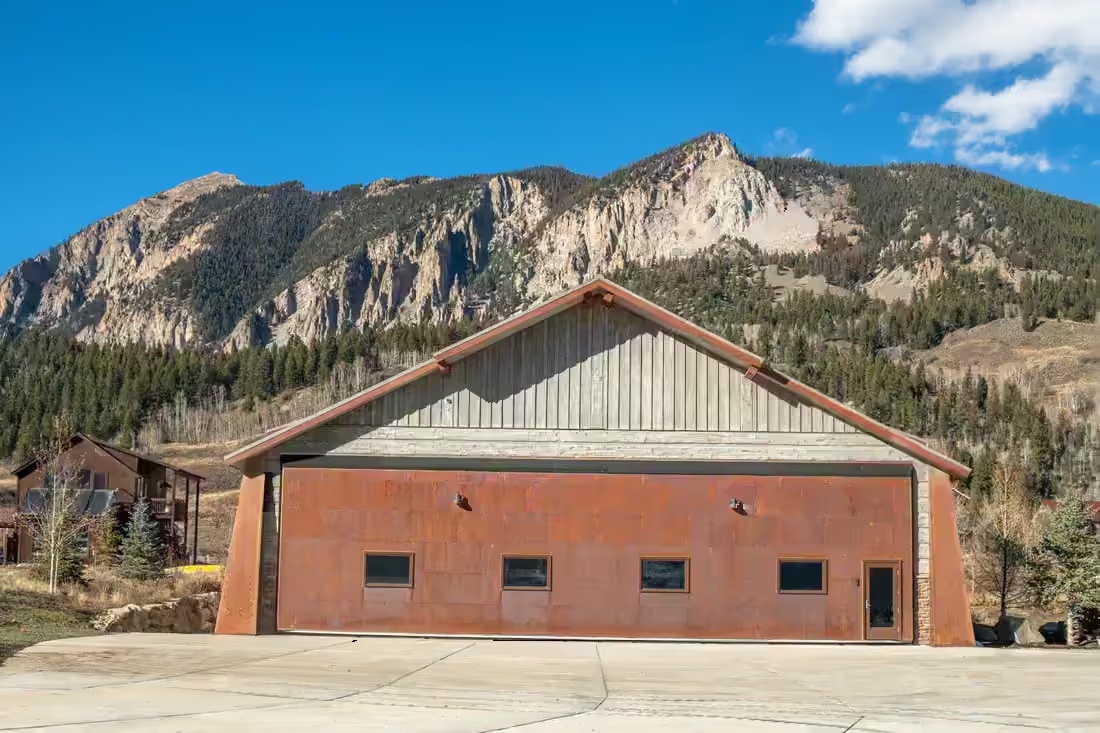
A buyer should therefore evaluate six things: the home and hangar; the legal aircraft route; the operating procedures; the association and corporate structure; the financial condition of the shared airport; and the property's fit with the buyer's aircraft and mission.
Understand the organization behind the runway
Jacob can help you compare the house, hangar, airspace, ground operations, association, shared expenses and long-term airport plan before you commit.
Van Aire Skyport at a glance
Airport data
CO12
Non-towered private residential airpark, VFR, prior permission required
- Airport type
- Non-towered private residential airpark
- Location
- Approximately 5 mi E of Brighton
- Use
- Private
- Field elevation
- Approximately 5,061 ft MSL
- Runway
- Runway 12/30
- Dimensions
- 3,681 x 50 ft
- Surface
- Asphalt
- CTAF and UNICOM
- 122.9
- Traffic-pattern altitude
- 5,800 ft MSL
- Lighting and VASI
- Activated through the published radio-click procedure
- Operating profile
- VFR
- Airspace
- Denver Class B begins at 6,000 ft MSL over the airport area
- Traffic
- Rwy 30 right traffic, Rwy 12 left traffic; north of the runway
- Visitor access
- Prior permission and a signed permission and indemnification form
Verified August 15, 2026 against Van Aire Skyport (vanaire.org) quick links and visitor information
Current FAA information and Van Aire procedures should always be checked before flight. Community documents may contain older or slightly different runway measurements; for aviation decisions, current FAA and airport information should control.
Runway 12/30
Van Aire's current website identifies Runway 12/30 as an asphalt runway measuring 3,681 feet by 50 feet. Community documents may contain older or slightly different runway measurements. For aviation decisions, current FAA and airport information should control.
The community states that runway lighting and VASI can be activated using the published radio-click procedure on 122.9. Private-airport lighting should not be assumed to have the same redundancy, maintenance structure, or availability as a larger public airport.
What to review about the airfield itself
The pavement and its surroundings
09- Current pavement condition
- Displaced thresholds
- Markings
- Shoulders
- Drainage
- Runway intersections
- Nearby roads
- Planned maintenance
- Engineering reports
Lighting and visual guidance
08- Current lighting condition
- Availability
- Activation method
- Maintenance responsibility
- Outage procedures
- Limitations
- Effect of power failure
- Reserve funding for replacement
Rules and coverage
03- Current operating rules
- Current NOTAM process
- Airport insurance
Denver Class B airspace
Van Aire operates beneath a relatively low section of Denver Class B airspace. The community states that the Class B floor over CO12 is 6,000 feet MSL and that its published traffic-pattern altitude is 5,800 feet MSL. It directs traffic to remain on the north side of the runway, with right traffic for Runway 30 and left traffic for Runway 12. This creates a compact vertical operating environment.
FAA Advisory Circular 90-66C provides federal guidance for non-towered operations, but Van Aire's private procedures add community-specific requirements. Private airports differ from one another as much as they differ from public ones; the Kelly Air Park page describes a quite different private operating environment for comparison.
A prospective owner should be comfortable with
Flying the airplane
05- Precise altitude control
- Radio discipline
- Traffic awareness
- Non-towered pattern integration
- Strict use of current airport procedures
Knowing the airspace
04- Denver-area airspace familiarity
- Current sectional-chart review
- Class B boundaries
- Nearby arrival and departure flows
Paths, taxiways, vehicles, and pedestrians
One of Van Aire's most distinctive operating considerations is the relationship between aircraft movement and community ground activity. The official visitor guidance explains that a paved walking and bicycle path encircles the runway. The southern path also functions as a parallel taxiway. The northern path is not a taxiway. The community warns pilots about possible vehicles and pedestrians on the runway or southern taxiway.
This is both an airport issue and a residential-lifestyle issue.
Understand before buying
Where aircraft and people meet
04- Which path is approved for aircraft use
- Where vehicles can appear
- Where pedestrians can appear
- Which intersections require additional attention
How the community manages it
04- How children, pets, bicycles, and guests are managed
- How aircraft right-of-way is communicated
- How low-visibility conditions affect operations
- Whether future path changes are planned
Public roads near the runway
Van Aire warns visiting pilots that public streets carrying vehicles are located near each runway threshold. A buyer should observe road traffic, vehicle height, the approach and departure perspective, signs, public awareness, runway-end conditions, planned road changes, and surrounding development. The owner should become familiar with current airport procedures and not assume that drivers understand aircraft operations.
Visitor access
Nonresident aircraft use is by prior permission. Visiting pilots must complete a permission and indemnification form before landing. Private-airport access should be planned, not assumed.
Questions to ask about guest operations
Permission
06- Who grants permission?
- How far in advance is permission required?
- Must each pilot submit a form?
- Is a recurring approval possible?
- What insurance is required?
- What happens after an unauthorized operation?
Sponsors, parking, and events
05- Can tenants sponsor guests?
- Can nonpilot owners sponsor aircraft?
- Where can visiting aircraft park?
- Can guests remain overnight?
- What event procedures apply?
Noise-sensitive surroundings
Van Aire's official visitor information identifies residential development south of the community and agricultural activity, including horses, to the north. The community asks pilots to follow published patterns and altitudes to reduce unnecessary effects on surrounding properties.
A buyer should consider current neighboring land uses, future development, animal operations, noise relationships, road traffic, community procedures, airport advocacy, and preservation of compatible land use. Good airport-neighbor relationships can affect long-term airport stability.
Density altitude beneath a low Class B floor
Van Aire's published field elevation is approximately 5,061 feet MSL. FAA guidance explains that high density altitude reduces aircraft performance, particularly during warmer conditions. A buyer should evaluate aircraft type, gross weight, runway length, temperature, wind, surface condition, climb, obstacles, desired margin, Denver-area airspace, and go-around planning. The relatively low Class B floor also makes accurate altitude management an important part of normal local operations.

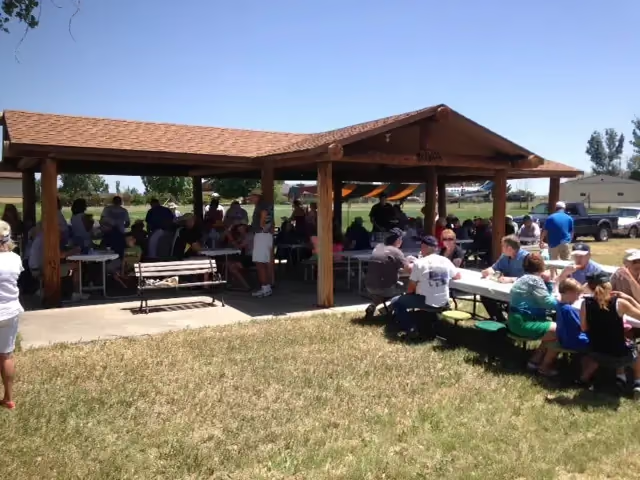
The distinction that matters: Van Aire is a governed aviation corporation
Van Aire Skyport Corporation is responsible for the shared airfield and related community interests. The official community site explains that the board's responsibilities include protecting property values, maintaining the runway and taxiway environment, overseeing common property, managing operations, and supporting the long-term success of the neighborhood.
The community publicly provides corporate documents, declaration and covenants, bylaws, policies, airport operating rules, guest forms, board information, meeting records, and community notices. That level of public documentation can help a buyer understand governance, but the buyer must still review the current complete records provided through the transaction.
Van Aire's public archive provides a long record of board and community proceedings, which can help a buyer identify ongoing projects, recurring costs, governance questions, and owner participation. A private airpark's governance quality can influence property value as directly as its runway condition.
Documents to request
Governing documents
10- Articles of incorporation
- Declaration
- Covenants
- Current bylaws
- Amendments
- Airport operating rules
- Financial policies
- Collection policy
- Architectural standards
- Guest forms
Financial records
08- Current budget
- Prior budgets
- Financial statements
- Reserve information
- Insurance
- Claims history
- Assessment history
- Owner delinquencies
Airport and property records
09- Meeting minutes
- Capital plans
- Runway reports
- Engineering studies
- Fuel-facility records where relevant
- Common-property records
- Land records
- Litigation
- Violation records affecting the property
Questions about governance
Ownership and membership
06- Who owns the runway?
- Who owns the taxiways?
- What common property does the corporation own?
- Does every residential owner become a member?
- What voting rights transfer?
- Can the runway or common property be sold or encumbered?
Money
07- How are annual assessments established?
- Can special assessments be imposed?
- What expenditures require member approval?
- What reserve funds exist?
- What runway work is anticipated?
- How are delinquent assessments handled?
- How is emergency work authorized?
Liability and rules
07- What insurance does the corporation maintain?
- What airport liabilities remain with individual owners?
- Can rules be amended?
- What vote is required?
- Are current governing-document changes proposed?
- Are disputes pending?
- What committees manage airport functions?
Direct residential taxi access
The community describes direct runway and taxiway access from residential properties. A property located within the airpark does not guarantee that every aircraft can move easily from every hangar to the runway.
Verify for the specific lot
The right and the route
07- Recorded aircraft-access rights
- Taxiway connection
- Route width
- Turns
- Surface
- Slope
- Drainage
Conflicts along the way
07- Path conflicts
- Road crossings
- Landscaping
- Utility obstacles
- Hangar apron
- Maintenance
- Winter conditions
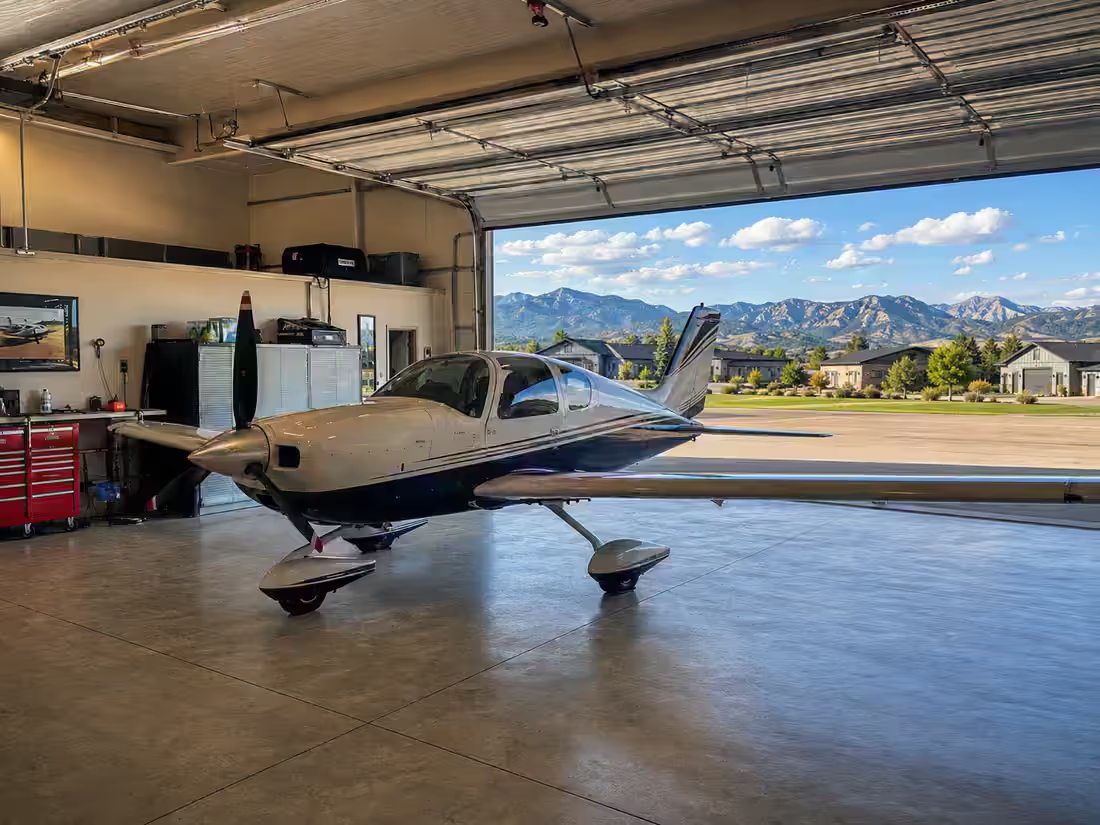
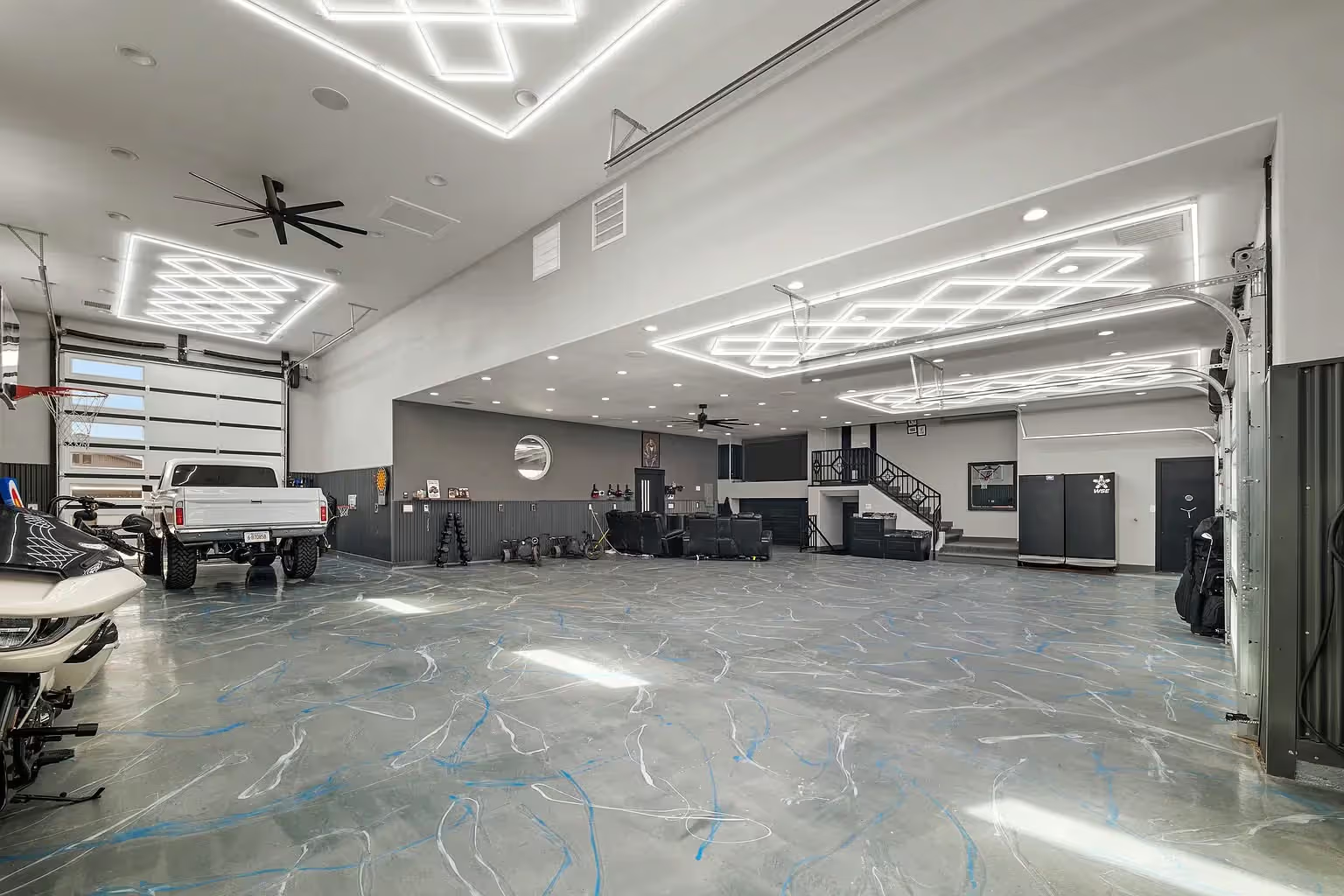
Hangar evaluation
Confirm whether the proposed aircraft and any likely future aircraft can use the complete route.
Measure
11- Clear door width
- Clear door height
- Clear interior width
- Clear depth
- Lowest obstruction
- Tail clearance
- Wingtip clearance
- Propeller clearance
- Apron
- Turning area
- Taxi-route clearance
Inspect
14- Door, motor, emergency operation
- Slab
- Roof
- Drainage
- Insulation
- Heating
- Ventilation
- Electrical capacity
- Lighting
- Fire protection
- Plumbing
- Office and workshop
- Permits
- Environmental condition
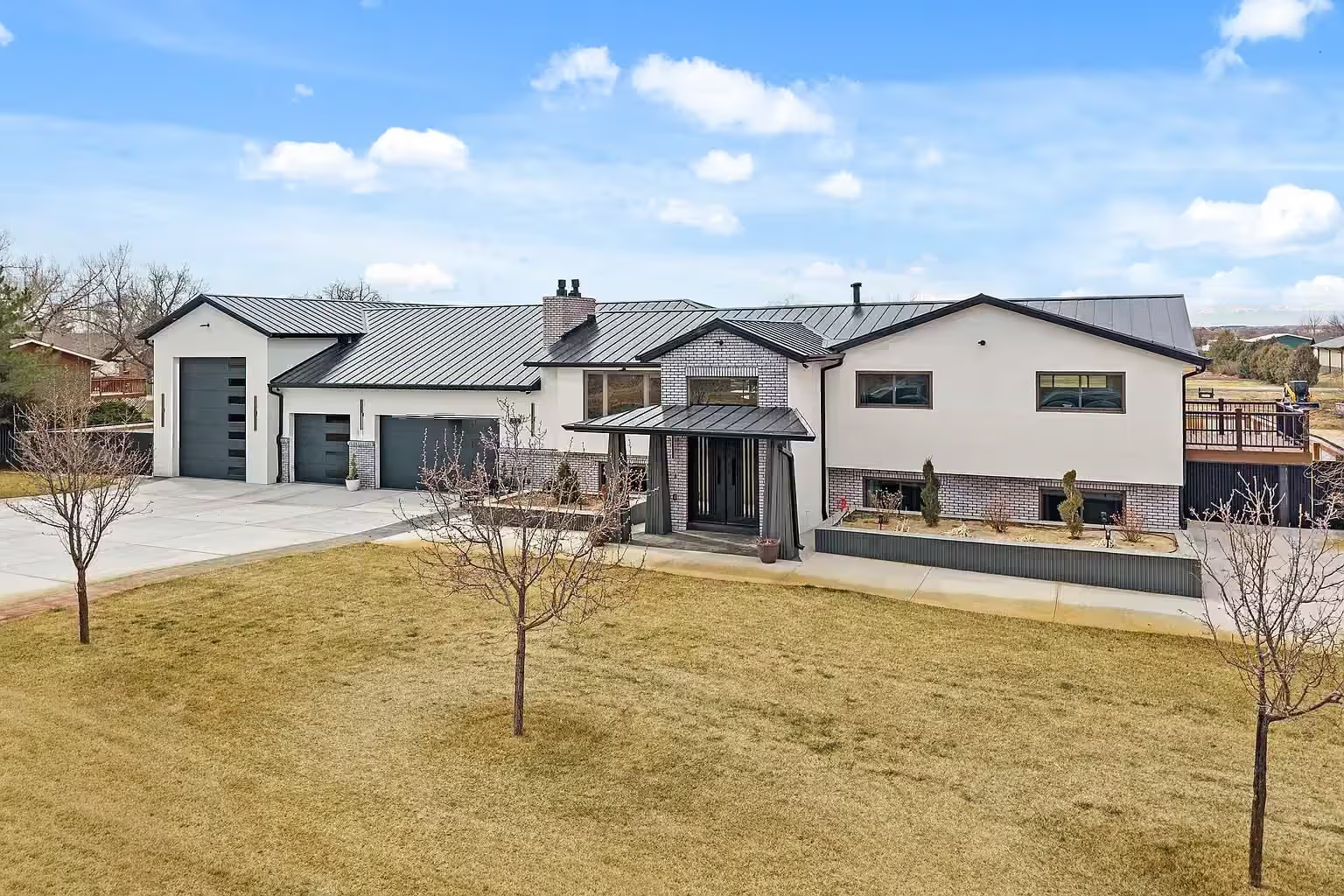
Adams County and property-level review
Van Aire is located east of Brighton. The buyer should confirm the exact county jurisdiction, zoning, parcel records, permits, utilities, and land-use requirements for the individual property. The airport's private rules do not replace County authority.
Research for the exact parcel
Records and permits
07- County property records
- Zoning
- Building permits
- Hangar permits
- Residence permits
- Easements
- Architectural approval
Services and surroundings
09- Well
- Septic
- Water provider
- Road maintenance
- Fire district
- Taxes
- Special districts
- Future nearby development
- Oil and gas interests where relevant
Buying a Van Aire Skyport home
Confirm aircraft and airspace fit
The aircraft mission should support a 3,681-foot paved runway, VFR operation, a traffic pattern beneath Class B, published traffic direction, private guest procedures, nearby public roads, and mixed aircraft and ground activity.
Review corporate governance
Read the documents and recent meeting minutes before relying on a summary.
Inspect common infrastructure
Understand the runway, lighting, taxiway, path, drainage, and planned work.
Verify lot access
Confirm the legal and physical aircraft route.
Evaluate the home and hangar
Complete ordinary residential, structural, utility, insurance, title, and land-use due diligence.
Understand the financial commitment
Estimate current and future association obligations, not only the purchase price.
Preserve resale documentation
Maintain complete records so the next buyer can understand the property and airpark relationship.
Questions to answer before making an offer
The corporation
09- What membership transfers?
- What voting rights transfer?
- What annual assessment applies?
- What special assessments are authorized?
- What reserves exist?
- What runway work is expected?
- What engineering reports exist?
- What insurance does the corporation maintain?
- What insurance must the owner maintain?
The lot and its rules
07- What recorded taxi rights serve the lot?
- Does the physical route match the documents?
- What guest procedure applies?
- Can tenants use the airport?
- What commercial uses are prohibited?
- What are the hangar dimensions?
- What County approvals govern the property?
The mission and the future
04- How does Class B affect the intended mission?
- Is VFR-only operation sufficient?
- What ground-traffic conflicts should be expected?
- How will the association and airport affect future resale?
Selling a Van Aire Skyport property
A Van Aire seller should prepare a complete aviation-property portfolio: membership information, association documents, current and pending assessment information, recent meeting records, recorded taxi rights, airport rules, guest procedures, hangar plans, door and interior dimensions, aircraft-route information, permits, utility records, well and septic information where applicable, current airport data, association insurance information, seller improvements, and included and excluded equipment.
The listing should explain the operating environment accurately: private airport; prior permission required; VFR operation; Denver Class B overhead; defined north-side traffic pattern; community runway and taxiway responsibility; potential vehicle and pedestrian activity; resident governance. This level of clarity helps qualified aviation buyers move forward more confidently.
Selling an aviation property
How Jacob positions hangar homes, private-airport access and a smaller buyer pool, and the documents a qualified aviation buyer will ask for first.
Van Aire Skyport homes for sale
When no public listing is active, Jacob can establish a focused search, monitor public and professional sources, evaluate the aircraft mission, and prepare the governance and due-diligence review before a suitable property becomes available.
Van Aire Skyport frequently asked questions
Understand the organization behind the runway
Van Aire offers direct aviation access and a clearly documented private-airpark environment. The strongest purchase is one in which the buyer understands the house, hangar, airspace, ground operations, association, shared expenses, and long-term airport plan before closing.