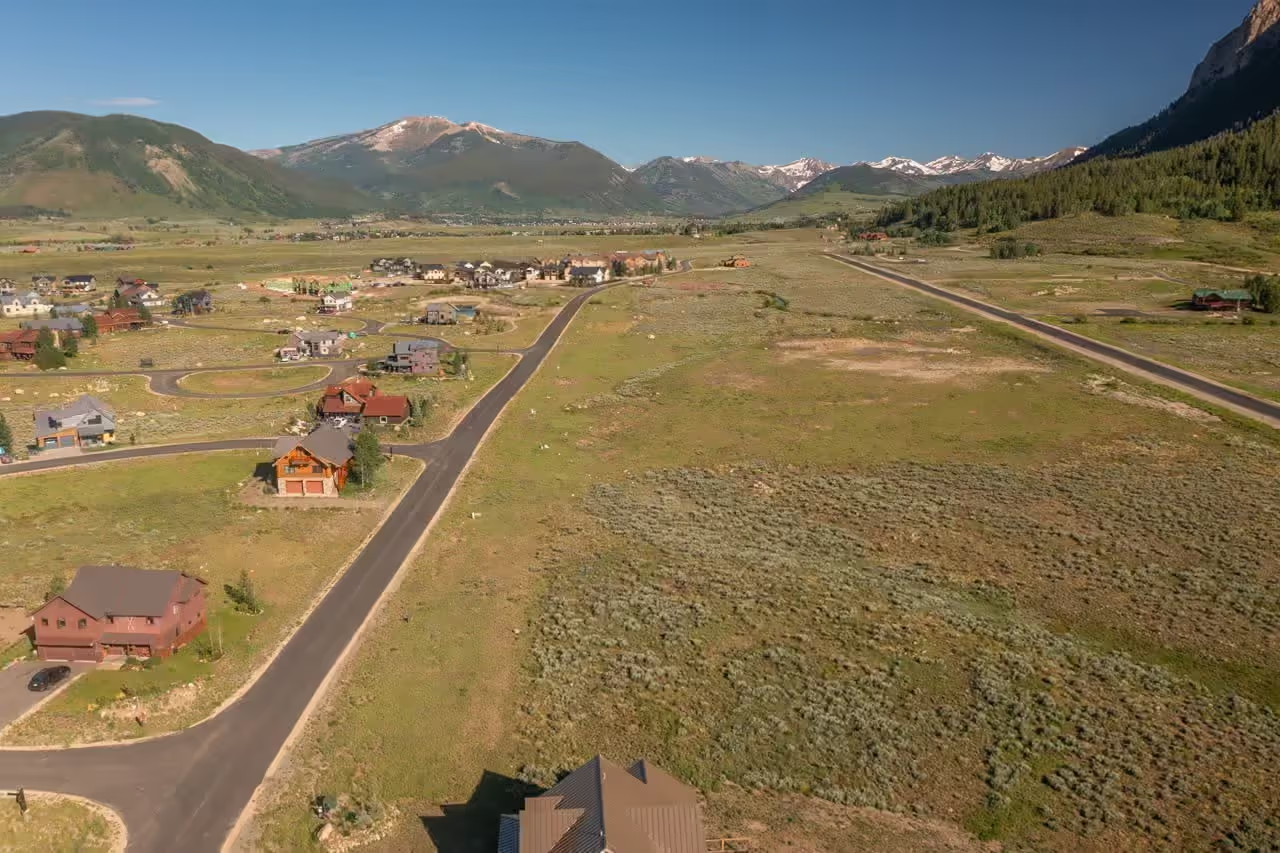
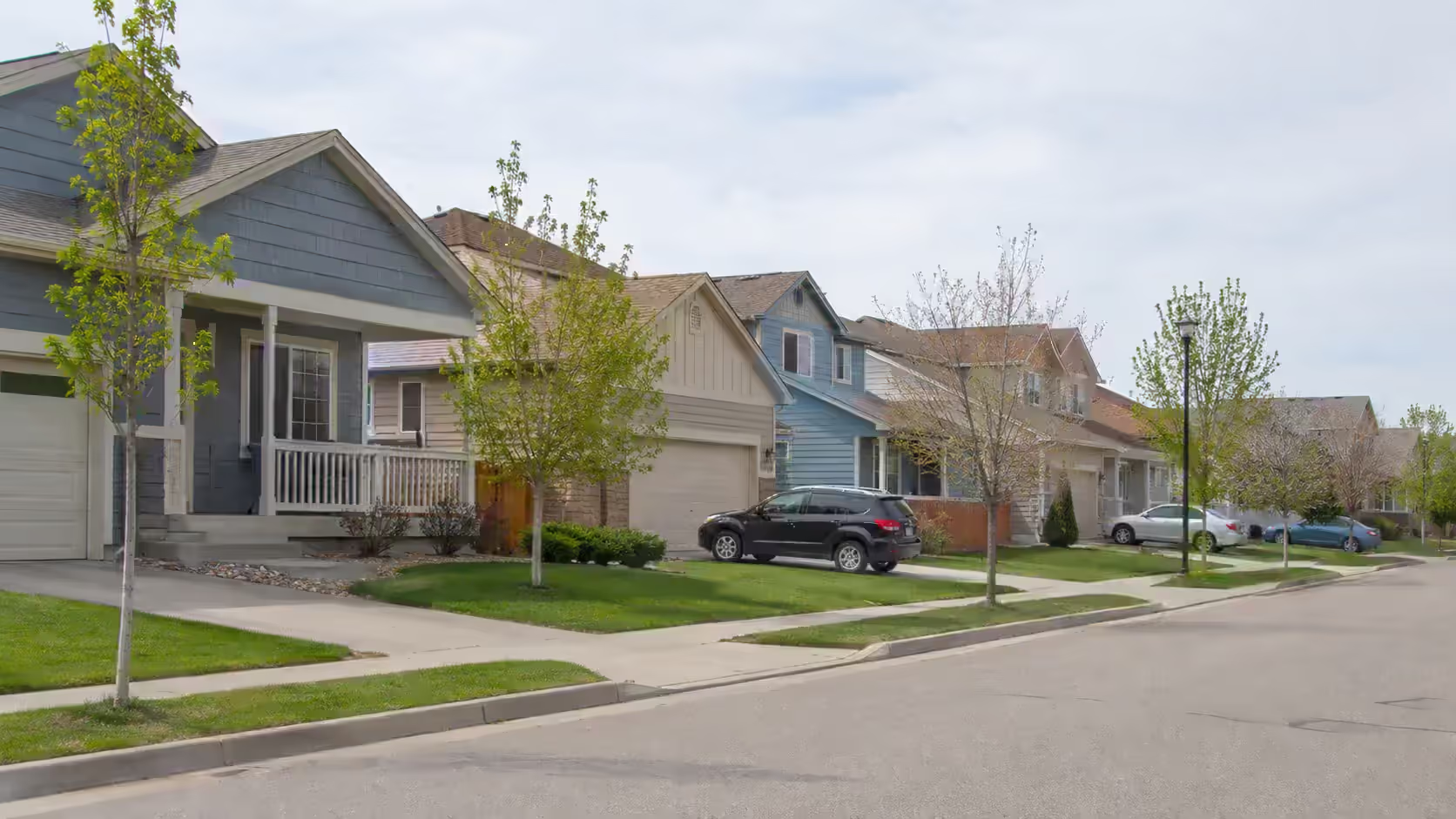



What is this guide about?
How an aviation property actually works as an ownership structure: the residence and land, the hangar, the legal right to reach the airport or runway, and the airport or airpark itself. It covers ownership models, through-the-fence access, hangars, shared costs, governance, insurance, and resale.
Who is it for?
Buyers and owners of airpark homes, of residential property beside a public-use airport, of property at a private-use field, and of an individually owned runway. It is also for an owner preparing a resale, because the documents a future buyer asks for are the ones assembled during ownership.
What is the most important conclusion?
Living beside an airport does not provide access to it. Access must be established through the applicable legal and operating documents, and historical use is not a substitute for a current enforceable right.
What should you do next?
Identify which of the four ownership models applies to the property, then read the access agreement, the airport, and the governing documents against it. Jacob can help identify the real estate and documentation questions. The pilot remains responsible for aircraft-specific performance and operating decisions.
Four assets, not one
An aviation property is not simply a home near a runway. It is a residence connected to an operating environment through a defined legal, physical, and financial structure.
Long-term ownership depends on four assets working together: the residence and land, the hangar, the legal right to reach the airport or runway, and the airport or airpark itself. A change to any one of them can affect utility, cost, insurance, and resale.
Identify the ownership model
Four structures, four different answers to the same question about who controls the runway and what the owner is responsible for. Establish which one applies before anything else on this page is useful.
Residential property beside a public-use airport
The home is off airport property and accesses a public-use airport through an agreement, license, easement, or residential through-the-fence arrangement. The airport sponsor controls the airport. The homeowner may be responsible for access fees, gate, infrastructure, insurance, compliance, transfer documents, and maintenance of the residential connection.
Private resident-controlled airpark
Residents may own or control the runway and common aviation infrastructure through an association, corporation, membership, or shared ownership. Owners may share responsibility for runway, taxiways, lighting, drainage, snow removal, insurance, reserves, rules, and capital projects. The FAA notes that a private airport without federal obligations may impose restrictions that would not be permitted at a federally obligated public-use airport.
Private-use airport requiring permission
Property ownership may not provide automatic airport use. The owner may need membership, owner invitation, prior permission, briefing, waiver, or guest approval.
Individually owned runway or airport
The owner may be responsible for the entire operating surface and supporting property, including registration, land use, maintenance, drainage, mowing, snow removal, obstructions, approaches, neighbors, insurance, emergency planning, and future airport status.
Residential through-the-fence access
Residential through-the-fence access allows aircraft to move between off-airport residential property and airport property. At a federally obligated general aviation airport, an acceptable agreement must address minimum federal conditions.
The five federal conditions
Current FAA guidance identifies the conditions below for residential through-the-fence access at a federally obligated general aviation airport.
What an acceptable agreement must address
05- Access fees comparable to on-airport users
- Resident responsibility for access infrastructure
- Residential and noncommercial use
- No third-party airport access through the residential property
- No aircraft refueling on the residential property
Read the access agreement as an operating contract
The owner should know what right exists, how long it exists, what it costs, how it transfers, and how it can be lost.
The term and its transfer
04- Term
- Renewal
- Assignment
- Transfer
Cost, upkeep, and risk
06- Fee
- Fee adjustments
- Maintenance
- Infrastructure
- Insurance
- Indemnification
Who may use it, and for what
07- Gate
- Security
- Guest use
- Tenant use
- Aircraft registration
- Commercial activity
- Refueling
How the right can be lost
06- Default
- Cure
- Suspension
- Termination
- Dispute process
- Airport changes
Understand the airport
Review current information concerning the items below. Airport data should be verified through current FAA and airport sources rather than an old listing.
Who controls it
04- Owner
- Sponsor
- Public or private use
- Federal obligations
The physical field
07- Runway
- Taxiways
- Field elevation
- Surface
- Lighting
- Fuel
- Maintenance
How it operates
07- Weather
- Instrument procedures
- Traffic pattern
- Visitor access
- Night operations
- Noise procedures
- Nearby airspace
Where it is heading
03- Master plan
- Development
- Financial condition

Erie Municipal Airport as a local example
Erie Municipal Airport is a Town-owned public-use airport identified as EIK. Current FAA data lists a 4,700-foot by 60-foot runway. The Town states that the runway is generally open at all hours except during closures for repairs or snow removal and describes the airport as federally funded and subject to public-use access obligations.
The Town also publishes voluntary noise-abatement guidance. This illustrates an important ownership distinction: an Erie Air Park homeowner may live beside the airport, but the Town controls the airport and federal obligations affect how it operates.
The community beside EIK
Erie Air Park is the local case this guide returns to. The community beside the airport has a page of its own.
Match the airport to the aircraft
Review each item against the aircraft actually being operated from the property, and against the aircraft that may replace it.
The airframe
04- Aircraft type
- Wingspan
- Tail height
- Weight
Performance in this air
05- Landing distance
- Takeoff distance
- Climb
- Density altitude
- Loading
How the aircraft is flown
06- Day or night use
- VFR or IFR needs
- Fuel
- Maintenance
- Guest operations
- Future aircraft
Density altitude changes the numbers
The FAA warns that high density altitude reduces aircraft performance, increases takeoff and landing distance, and reduces climb performance. The owner remains responsible for current weather, aircraft data, operating limitations, NOTAMs, and flight decisions.
Evaluate the complete taxi route
Walk the aircraft route from hangar to runway. Determine who owns and maintains each segment.
Geometry and clearance
05- Door clearance
- Turns
- Width
- Wingtip clearance
- Tail clearance
The surface underfoot
06- Apron
- Slope
- Crown
- Surface
- Drainage
- Snow storage
What stands in the way
09- Gate
- Fence
- Signs
- Landscaping
- Mailboxes
- Utilities
- Road crossings
- Night visibility
- Vehicle conflicts
Hangar ownership
Verify the measurements first, then review the systems.
Measurements to verify
11- Clear door width
- Clear door height
- Interior width
- Interior depth
- Lowest obstruction
- Tail clearance
- Wingtip clearance
- Propeller clearance
- Turning area
- Apron
- Taxi geometry
Door, shell, and slab
07- Door
- Controls
- Emergency operation
- Slab
- Drainage
- Roof
- Insulation
Services and permitted build-out
11- Heating
- Ventilation
- Electrical service
- Lighting
- Plumbing
- Fire protection
- Office
- Workshop
- Storage
- Permits
- Approved use
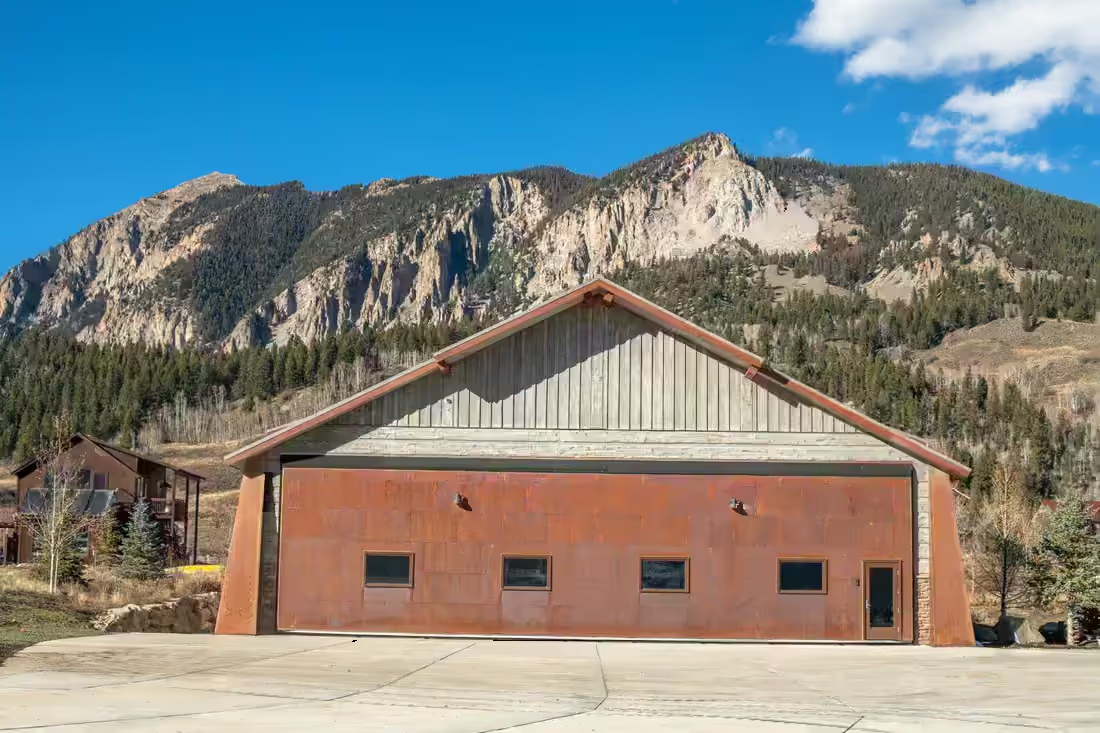
A residential hangar is not a commercial facility
A residential hangar does not automatically permit commercial maintenance, charter, flight school, aircraft rental, customer visits, employees, fuel sales, commercial storage, manufacturing, or events. Confirm zoning, airport rules, access agreement, association, fire code, environmental rules, insurance, and federal obligations.
At a federally obligated airport, qualifying residential through-the-fence access is conditioned on residential and noncommercial use.
Shared airport and airpark costs
Potential expenses, grouped by what they are buying.
Recurring dues and fees
05- Association dues
- Access fees
- Management
- Legal fees
- Insurance
Pavement and infrastructure
07- Runway assessments
- Taxiway assessments
- Pavement reserves
- Lighting
- Gate
- Fuel systems
- Equipment
Keeping the field usable
05- Snow removal
- Mowing
- Drainage
- Security
- Emergency work
Insurance
Review the following across the residence, the hangar, and what is stored inside it.
Buildings and contents
07- Residence
- Hangar
- Aircraft storage
- Door
- Workshop
- Tools
- Attached structures
Stored hazards
04- Fuel
- Batteries
- Oxygen
- Chemicals
Liability and exclusions
04- Airport liability
- Association insurance
- Additional insured requirements
- Business-use exclusions
Weather perils
04- Wind
- Hail
- Wildfire
- Snow load
The homeowners policy is not the whole answer
The airport, association, or access agreement may require specific liability limits. A homeowners policy should not be assumed to cover every aviation-related exposure.
Airpark governance records to request
Request each of the following, and read them together rather than one document at a time.
Governing documents
05- Declaration
- Bylaws
- Airport rules
- Voting structure
- Transfer requirements
Money and the capital plan
06- Budget
- Reserves
- Insurance
- Assessments
- Capital plan
- Runway plan
Rules, use, and disputes
06- Meeting minutes
- Visitor rules
- Tenant rules
- Aircraft restrictions
- Enforcement
- Litigation
Noise, community, and airport change
Potential changes an owner should expect to live beside.
Activity at the field
03- More or fewer operations
- Flight training
- Airport-business growth
Construction and pavement
04- New hangars
- New taxiways
- Pavement work
- Surrounding development
Rules and money
04- Noise procedures
- Access rules
- Fees
- Airport planning
At Erie, the noise program is voluntary
At Erie, the Town explains that its noise-abatement program is voluntary and that federal obligations limit its ability to prohibit flight schools or use fees to discourage operations.
A buyer should visit under different operating conditions before purchasing.
Annual aviation ownership audit
Work through these five areas once a year.
Legal and administrative
08- Confirm access agreement
- Review fees
- Update insurance
- Renew membership
- Update aircraft information
- Review association minutes
- Review airport plans
- Confirm gate credentials
Hangar
09- Service door
- Inspect roof
- Inspect slab
- Check drainage
- Inspect heating
- Inspect electrical systems
- Review fire protection
- Confirm clearances
- Secure chemicals and batteries
Taxi route
06- Inspect pavement
- Review vegetation
- Check gates
- Check drainage
- Confirm snow plan
- Identify new obstructions
Airport
06- Review current FAA data
- Review NOTAM process
- Review airport rules
- Review development
- Review noise procedures
- Review fuel and services
Financial
05- Review association reserves
- Anticipate assessments
- Estimate hangar capital work
- Review insurance
- Update resale records
Work the audit against a specific property
The audit above is the checklist, on the page, in full. Jacob can help identify the real estate and documentation questions it raises for one address.
Records to preserve for resale
Preserve the following, grouped by which of the four assets each record proves.
Proof of the access right
04- Access agreement
- Transfer documents
- Fee history
- Insurance requirements
The airport and the association
03- Association records
- Runway records
- Airport maps
The hangar file
06- Hangar plans
- Permits
- Door specifications
- Service history
- Capital improvements
- Photographs
What a future buyer will ask
A future buyer will ask: Is access legal and transferable? What does it cost? Can it be terminated? Will the aircraft fit? Is the airport financially stable? What restrictions apply? What capital work is expected? Can the property be financed and insured?
Complete records improve marketability.
Common questions about aviation property
What a good aviation property has in common
An aviation property performs best when the legal rights, physical route, hangar, airport, governance, and operating costs support the owner's actual mission.